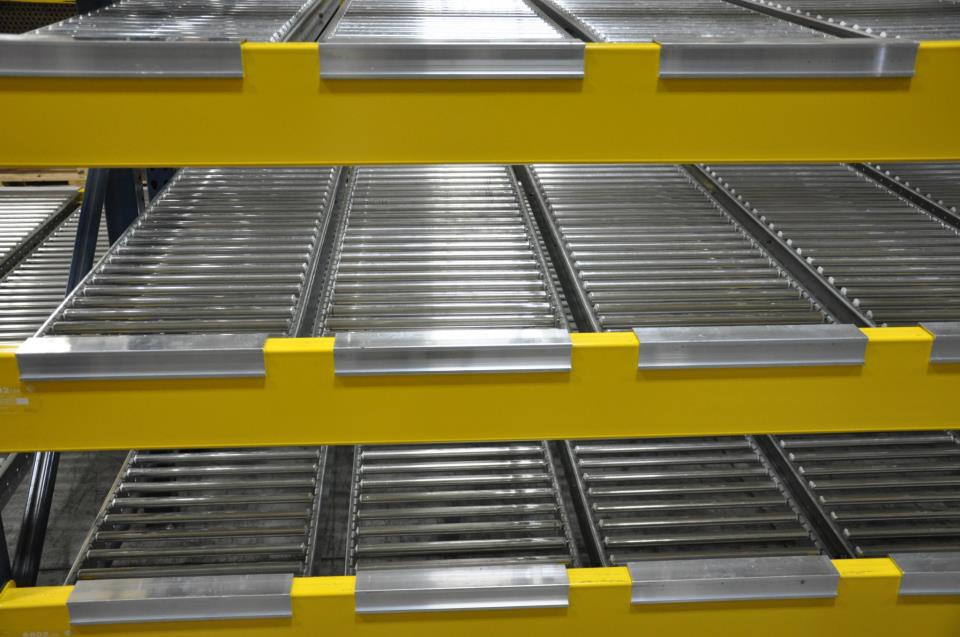
Carton Flow Rack in South San Francisco, CA
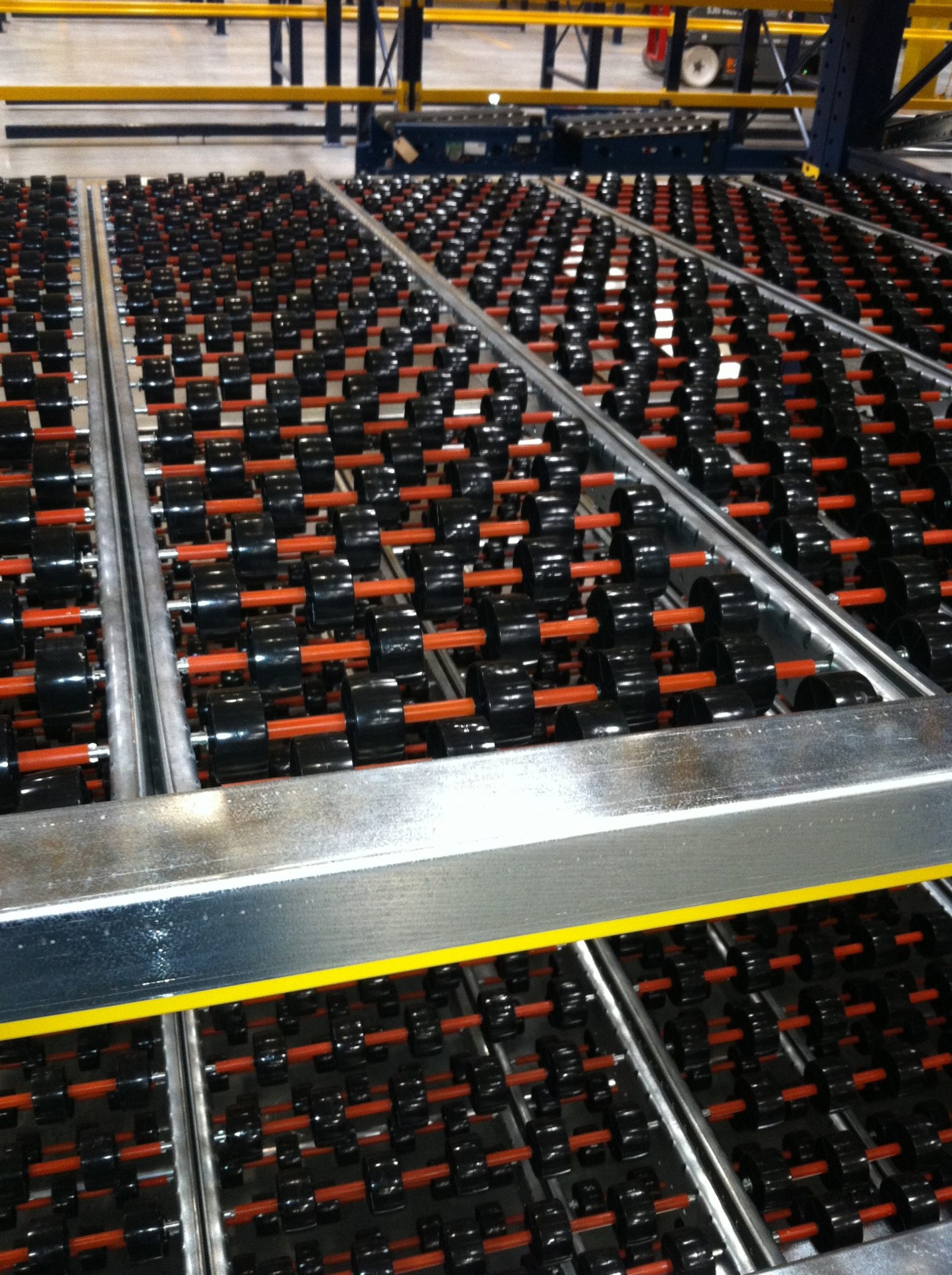
Carton flow rack in South San Francisco can present laboratory-supply cartons and packaging materials at a consistent front picking edge. Compatible cases or totes move down inclined roller lanes after the leading container is removed. Rear replenishment separates incoming stock from active selection and supports FIFO when the loading sequence is maintained.
Small packages do not all behave alike on rollers. Lightweight cartons, flexible bases and sensitive contents require a closer look at support and arrival behavior. We operate as a division of Warehouse Equipment & Supplies Co., supplying and installing warehouse storage since 1997.
How carton flow racking separates refill and selection
Define acceptable packages and inventory status first, then develop the lane and aisle arrangement around those limits.
Identify eligible inventory
List items suitable for gravity presentation and those requiring individual access. Include package dimensions, weights and any handling restrictions affecting travel along the lane.
Configure guided travel
Select roller support, dividers and incline for each package family. Check for snagging, sideways movement and excessive contact as containers approach the front.
Load in the approved sequence
Replenish from behind using the assigned item location. Keep held or mismatched stock outside the lane so the front position remains meaningful to pickers.
Transfer into the order
Provide a collection surface or cart position beside the pick face. Preserve room for identification checks before selections move toward packing or freight preparation.
Why carton flow rack starts with package trials
Test representative containers before setting lane geometry. A small box may bridge tracks differently from a tote, while a carton with an uneven underside may hesitate. Record minimum operating weight and contents-related handling limits rather than evaluating only a sealed, fully loaded sample.
A case flow rack should preserve clear boundaries between items and inventory states. Allocate lanes to released material, and provide separate locations for stock awaiting a decision. Physical flow does not replace release records or justify mixing packages that need independent access.
Design the front edge around the actual pick. An operator withdrawing an entire carton needs a different hand position from someone selecting individual packs. Front stops, lane widths and level spacing should accommodate the task without squeezing neighboring boxes or concealing identification.
Local Warehouse Planning
Oyster Point and the East of 101 district connect this planning discussion to biotechnology, laboratory supply and freight distribution. Keep controlled inventory, general packaging and outbound freight staging distinct. The internal replenishment route should respect those boundaries rather than treating all cartons arriving through the same receiving area as interchangeable stock.
Carton flow rack integration and handling scope
For pallet-bay retrofit compatibility, review upright and beam dimensions, connection arrangements and supported loads. Confirm rear loading access and the space needed to introduce cartons without twisting them around adjacent storage.
In pick modules, match lane depth to refill quantities and the desired number of active items. Greater depth is not necessarily useful when stock must remain separately accessible by release group or handling category.
Installation planning should include item labels, package acceptance limits and representative travel checks. Document which configurations suit cartons and which suit totes, so a later container substitution receives an informed review.
South San Francisco warehouse storageCase picking system detailsPallet flow alternativesPushback alternatives


Discuss the packages before choosing the lanes
Share container samples, weight ranges and a simple map of inventory boundaries. Identify any items that require independent access rather than sequential presentation. For a layout discussion based on those requirements, call (415) 430-9104.
San Francisco Pallet Rack
447 Sutter St.
Ste. #506-1140
San Francisco, CA 94108
(415) 430-9104Monday - Friday: 8:00 AM - 6:00 PM
South San Francisco buyer considerations
South San Francisco Storage Planning
Free Design Consultation Includes:
- Warehouse needs analysis
- Detailed CAD layout drawings
- Pallet rack system recommendations
- Complete project quote
- Evaluate contents at the front restraint
- Separate hold locations from active loading
Rack Systems & Relocation in South San Francisco
Pallet Rack
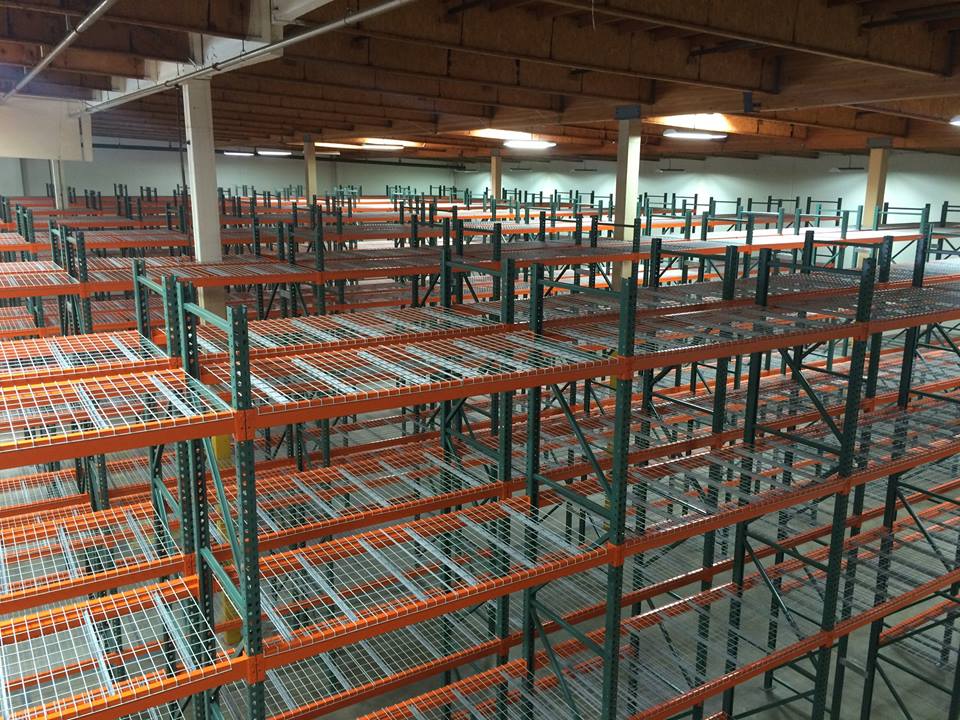
Every pallet reachable, every time. The baseline we size everything else against.
View South San Francisco details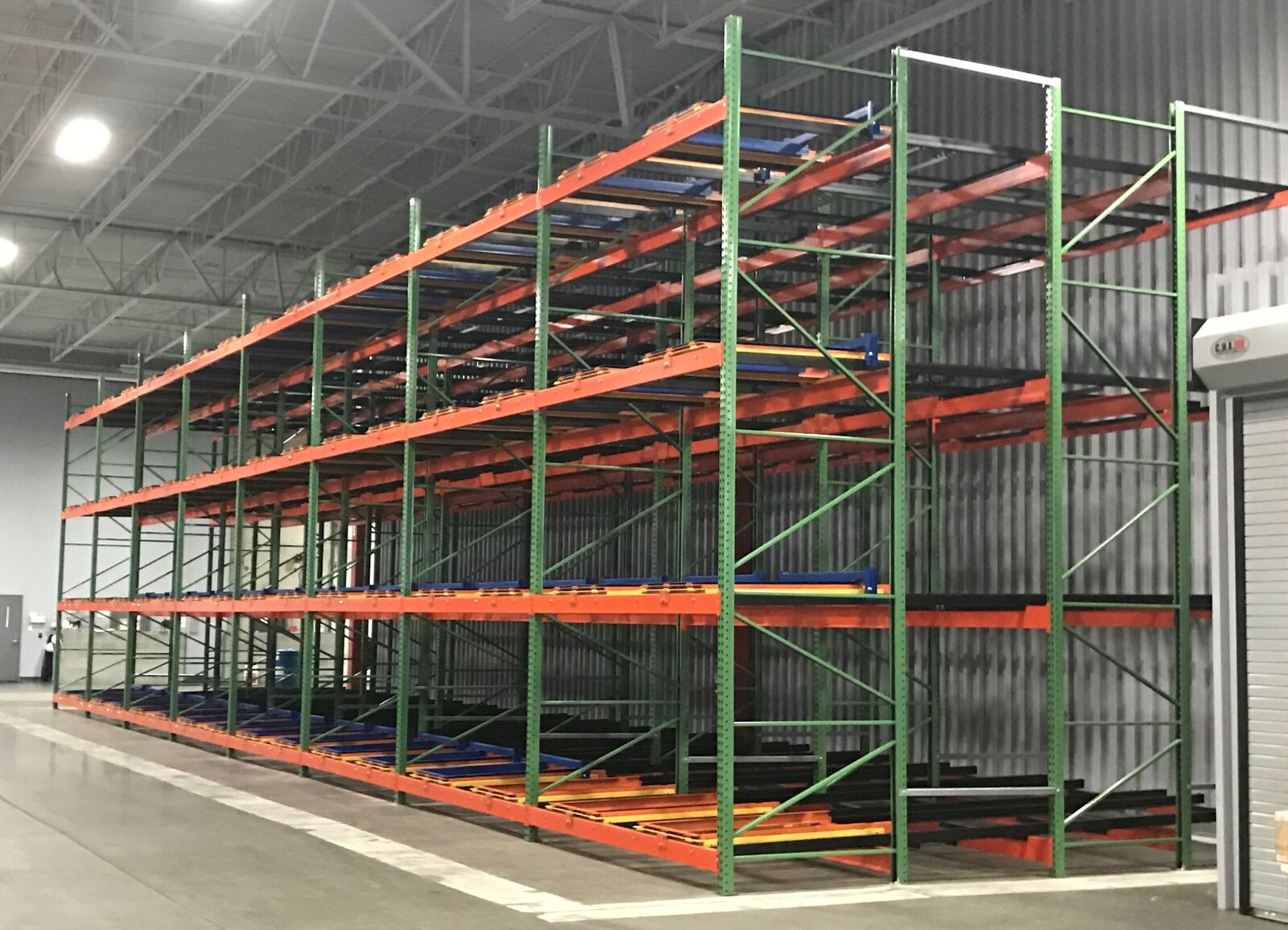
Pushback Rack
Two to five pallets deep from one aisle, without giving up much reach.
View South San Francisco details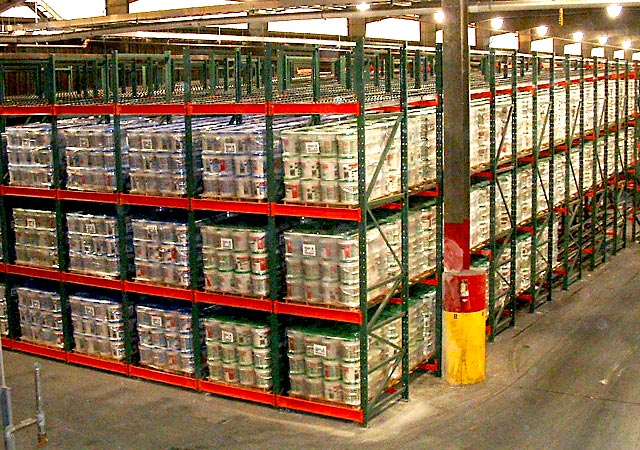
Pallet Flow Rack
Load one side, pick the other, and let gravity enforce first in, first out.
View South San Francisco details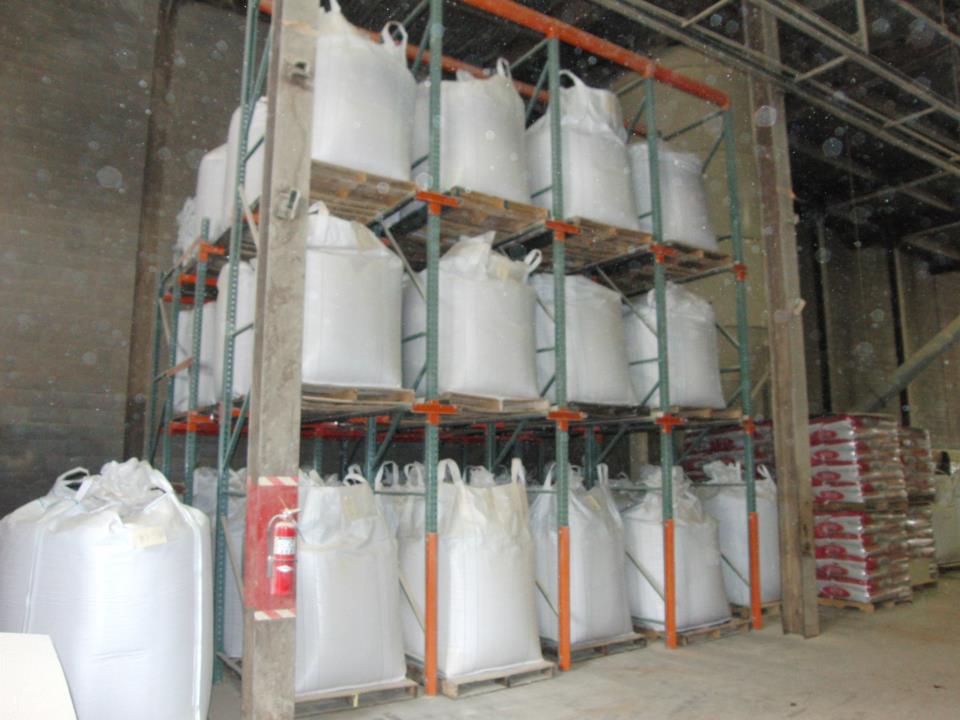
Drive-In Rack
Fewer access aisles. Forklifts enter storage lanes to handle bulk pallets of the same SKU.
View South San Francisco details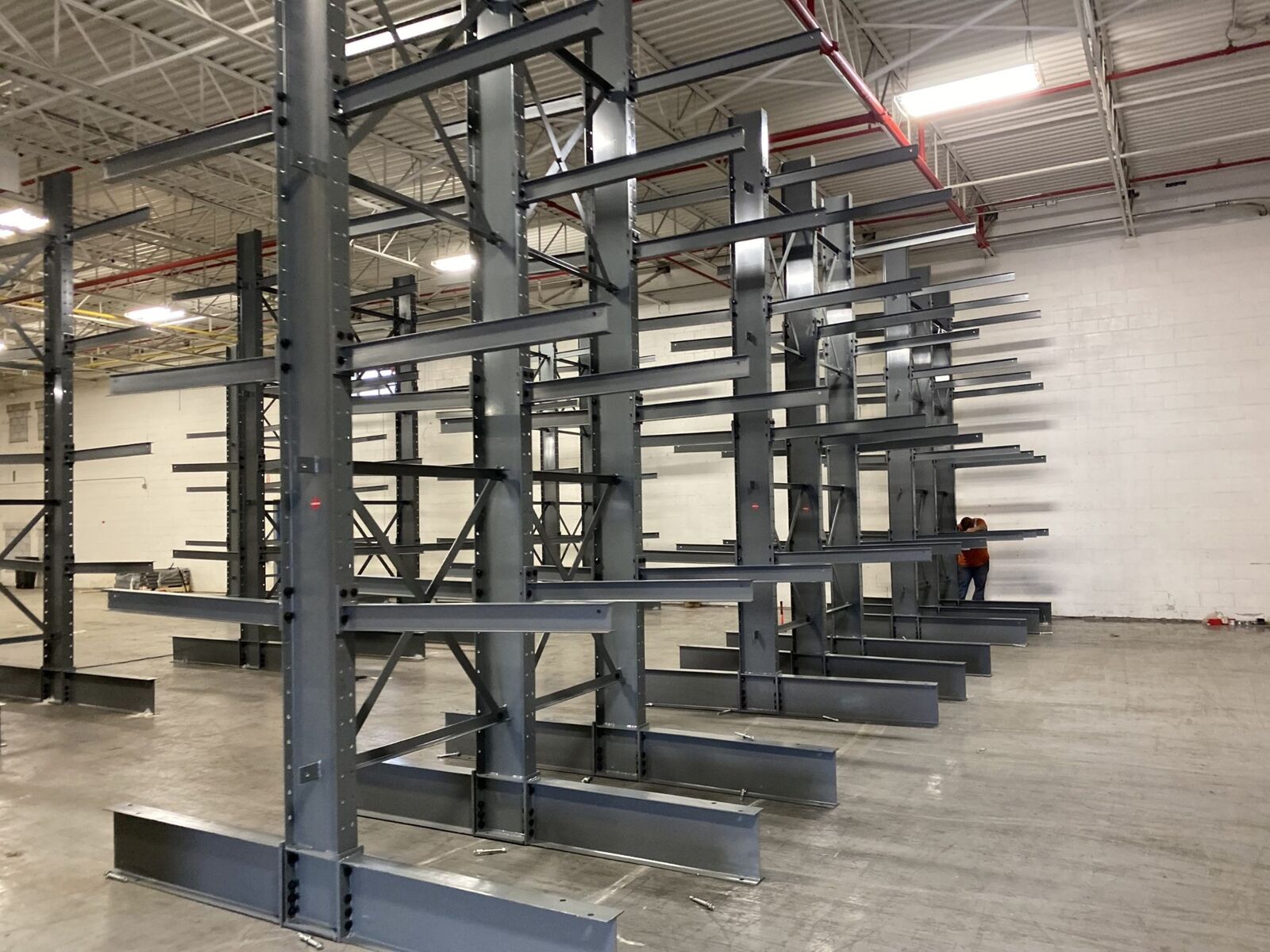
Cantilever Rack
Arms with nothing in front of them, built for lumber, pipe, and anything a pallet can't hold.
View South San Francisco details
Warehouse Relocation
Teardown, labeling, transport coordination and reinstallation, planned around your new building and receiving schedule.
View South San Francisco detailsNearby Areas We Also Serve
Our service area includes San Francisco and the existing Bay Area cities, so one team can handle multiple buildings for the same company.
Where We Work
Located in San Francisco, we serve the entire Bay Area with industrial pallet racks and warehouse storage solutions.
San Francisco Pallet Rack
Address
447 Sutter St.
Ste. #506-1140
San Francisco, CA 94108
Phone
(415) 430-9104Business Hours
Monday - Friday: 8:00 AM - 6:00 PM
Saturday: Closed
Sunday: Closed
Need Carton Flow Rack in South San Francisco?
Call (415) 430-9104 or request a quote and we will get a layout started.