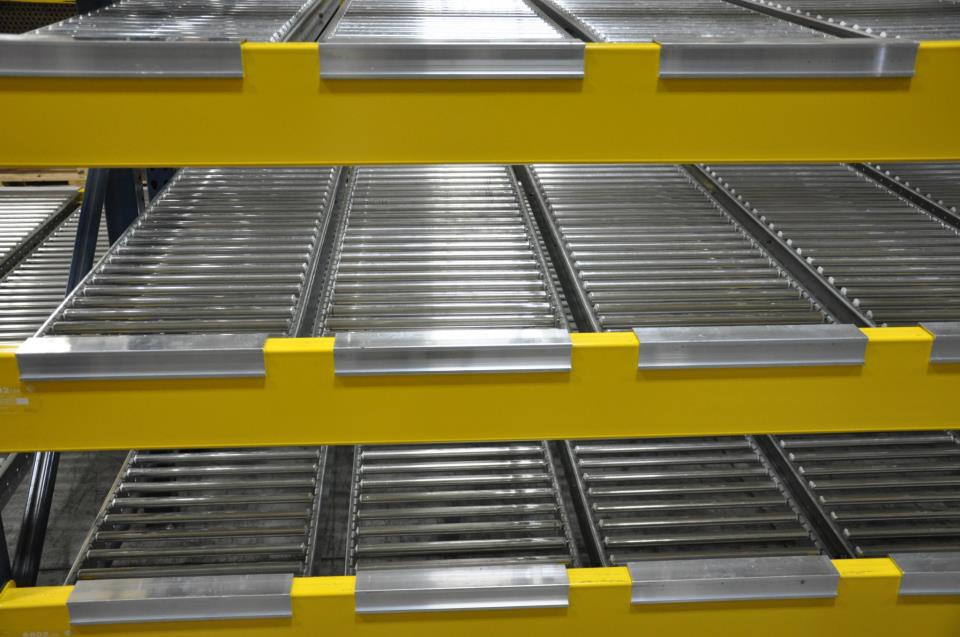
Carton Flow Rack in San Jose, CA
Carton flow rack in San Jose can organize component totes and boxed supplies around the sequence assembly actually consumes them. Containers travel along inclined roller lanes toward a front picking position, with replenishment entering from the rear. The arrangement supports FIFO within each lane when staff maintain item identity and load stock in the intended order.
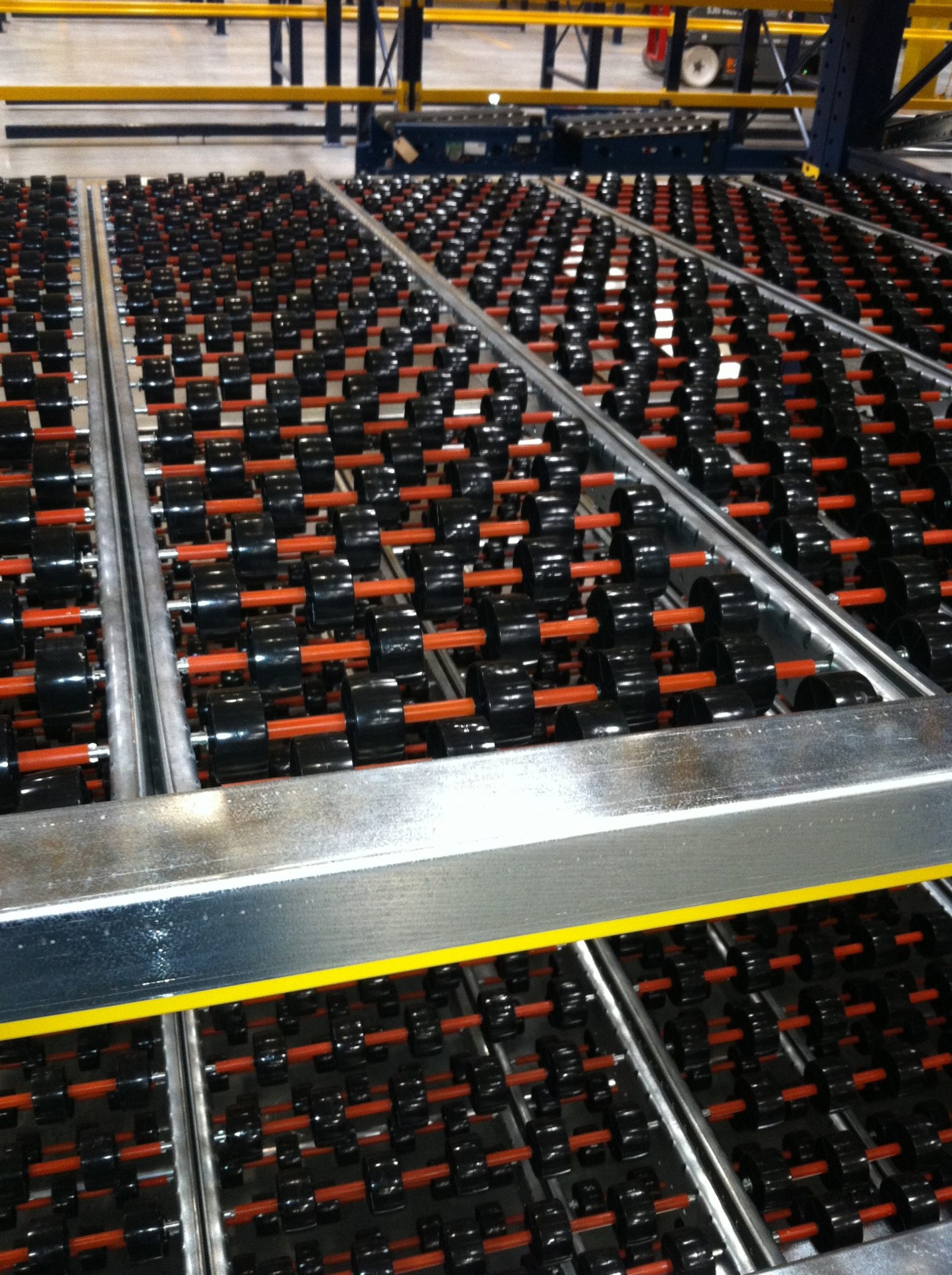
Electronics and medical-device inventory requires more than a dense collection of locations. Package support, item identification and access to released material shape the design. Our operation is a division of Warehouse Equipment & Supplies Co., supplying and installing warehouse storage systems since 1997.
Why carton flow rack belongs in the kit discussion
Start with the kit bill of materials and the containers used at the picking station. Several small components may require separate tote lanes, while a larger boxed assembly needs wider support. Assigning frontage around consumption helps prevent one frequently requested part from dictating repeated replenishment trips.
Specify carton flow racking around the underside of the package as well as its outside dimensions. Molded feet, recessed tote bottoms and taped carton seams can change contact with the rollers. A trial should include the lightest load expected during normal picking, not only full containers.
Keep the withdrawal point understandable. Dividers, location labels and front stops should preserve separation between similar part numbers. Where operators pick individual pieces, confirm that the opened container remains stable and that its contents can be reached without disturbing adjacent items.
Local Warehouse Planning
North San Jose and Edenvale are relevant planning areas for electronics, technology manufacturing and medical-device supply. Their production and shipping needs suggest distinct paths for kit replenishment and outbound packing. Evaluate connections to US-101 and I-880 as receiving context, while basing the internal lane plan on actual part consumption rather than regional traffic assumptions.
How case flow rack feeds assembly preparation
Map the movement from released inventory to completed kits before deciding how many lanes belong in each bay.
Group by consumption pattern
Separate continuously requested components from intermittent service parts. Compare kit quantities with container capacity to establish sensible refill triggers and lane assignments.
Choose support and separation
Match roller tracks to tote contact surfaces. Set lane widths and dividers so containers remain guided without binding as they move toward the picking edge.
Establish rear loading discipline
Refill only the assigned item and confirm its release status first. Front picking and rear replenishment preserve sequence only when exceptions remain outside active lanes.
Verify the kit handoff
Locate collection totes and work surfaces to reduce unnecessary transfers. Check that a replenishment cart can reach the loading face without crossing the kit-building position.
Carton flow rack integration for component storage
A pallet-bay retrofit begins with dimensions, beam connections and load review. Verify that the proposed flow beds have appropriate support and that rear access remains practical after adjacent reserve positions are considered.
Within pick modules, coordinate picking heights with tote depth and the operator's access to components. A nominally reachable shelf can still be awkward when a tall container conceals small pieces at its bottom.
Document package limits and location assignments during installation planning. Where product handling calls for electrostatic precautions, assess the complete container and workstation arrangement rather than assuming ordinary roller lanes provide that protection.
San Jose warehouse storageCase picking system detailsPallet flow alternativesPushback alternatives


Outline your component picking requirements
Bring tote samples, carton dimensions, loaded weights and a list of high-frequency kit items. Include existing bay measurements and the path between reserve storage and assembly. Discuss your proposed picking area by calling (415) 430-9104.
San Francisco Pallet Rack
447 Sutter St.
Ste. #506-1140
San Francisco, CA 94108
(415) 430-9104Monday - Friday: 8:00 AM - 6:00 PM
San Jose component-storage buying questions
San Jose Storage Planning
Free Design Consultation Includes:
- Warehouse needs analysis
- Detailed CAD layout drawings
- Pallet rack system recommendations
- Complete project quote
- Trial an almost empty tote
- Distinguish adjacent component positions
Rack Systems & Relocation in San Jose
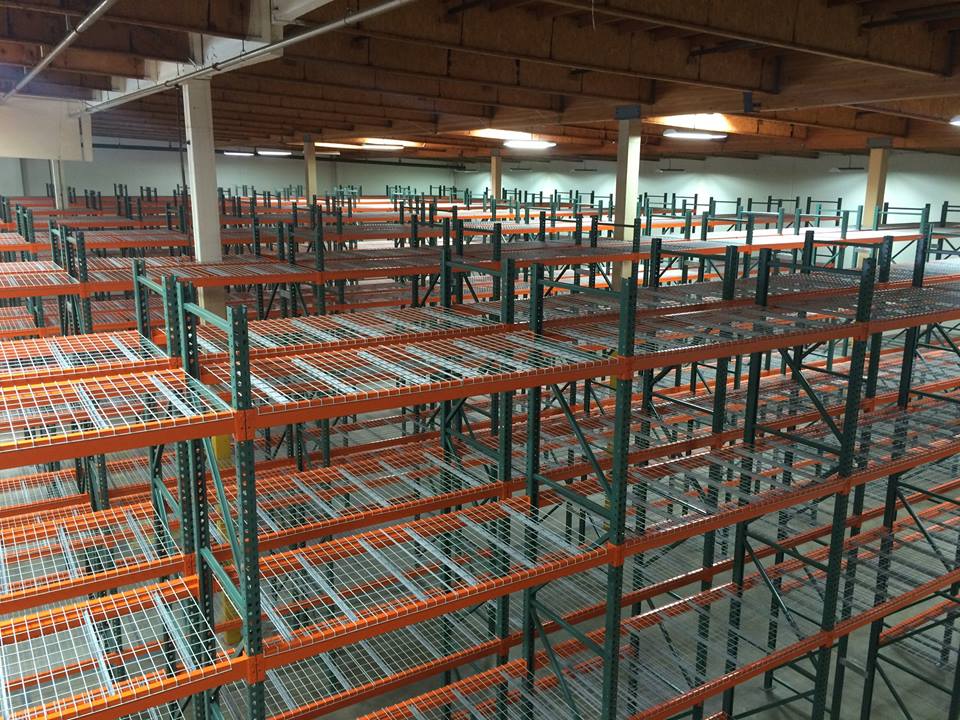
Pallet Rack
Every pallet reachable, every time. The baseline we size everything else against.
View San Jose details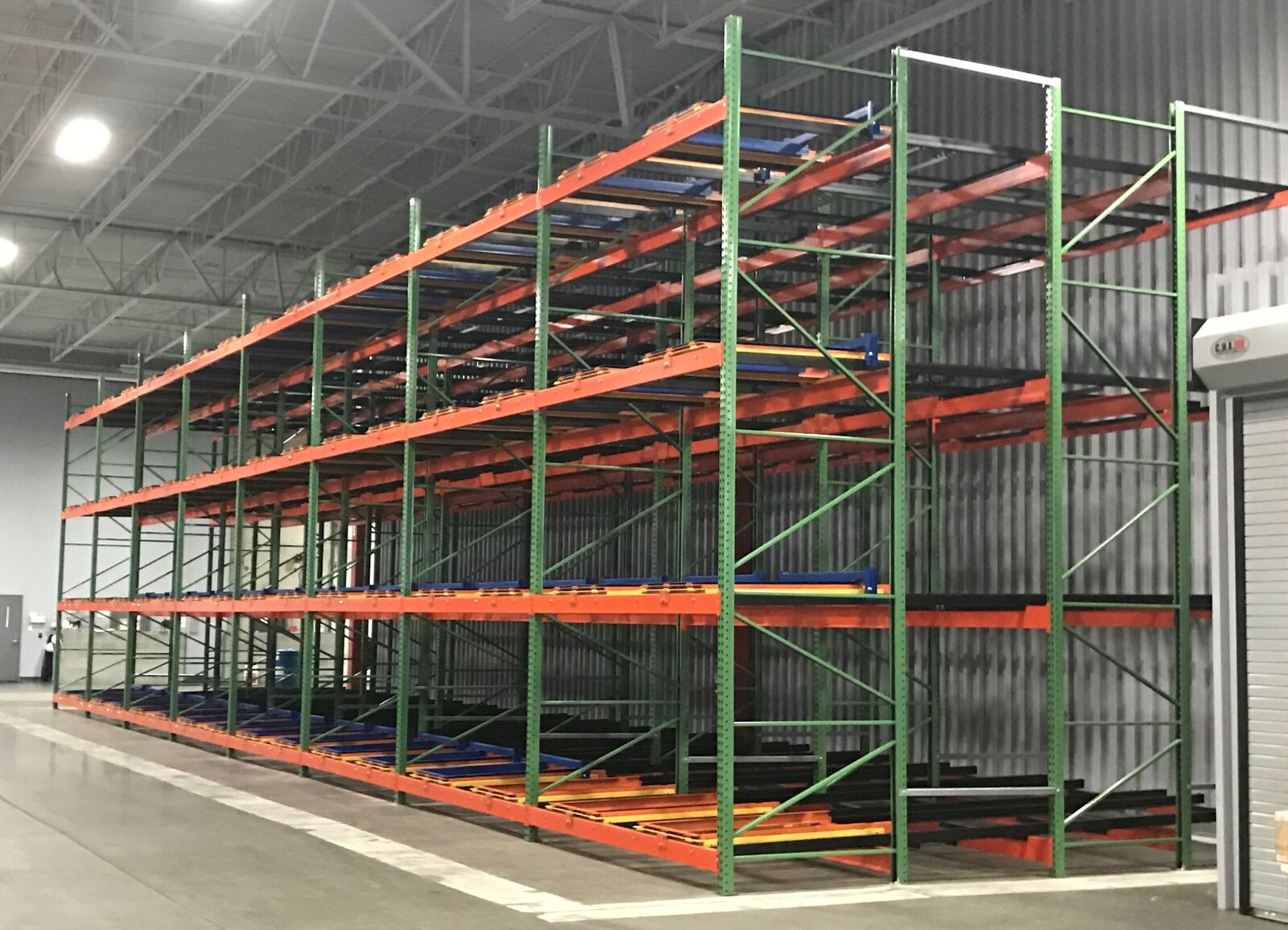
Pushback Rack
Two to five pallets deep from one aisle, without giving up much reach.
View San Jose details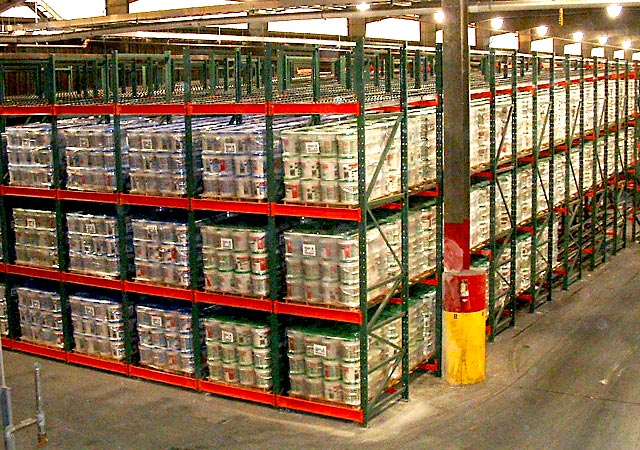
Pallet Flow Rack
Load one side, pick the other, and let gravity enforce first in, first out.
View San Jose details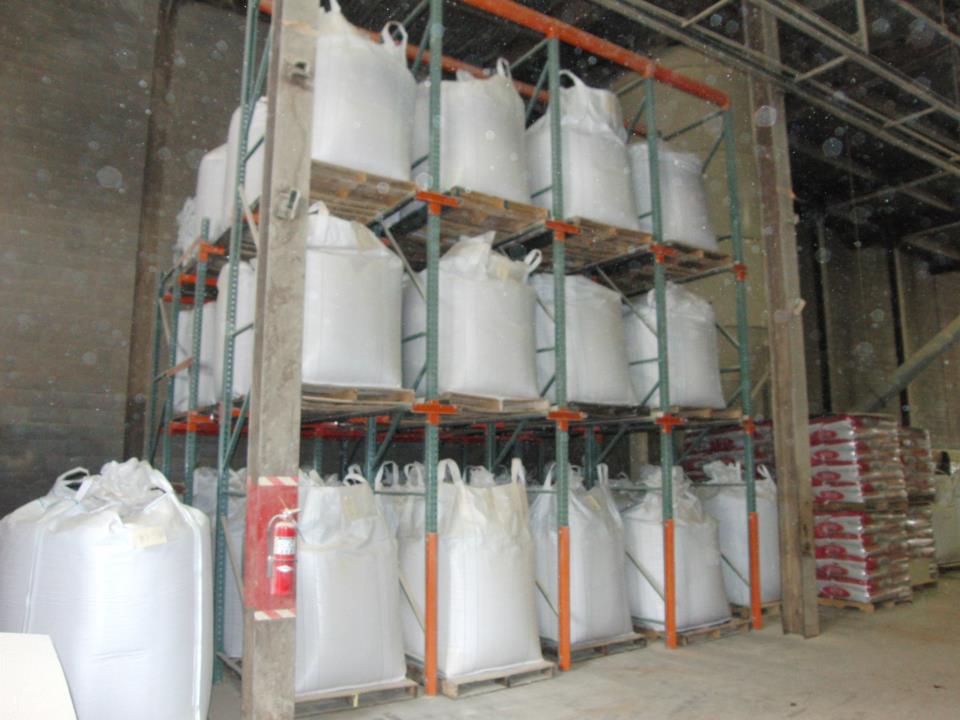
Drive-In Rack
Fewer access aisles. Forklifts enter storage lanes to handle bulk pallets of the same SKU.
View San Jose details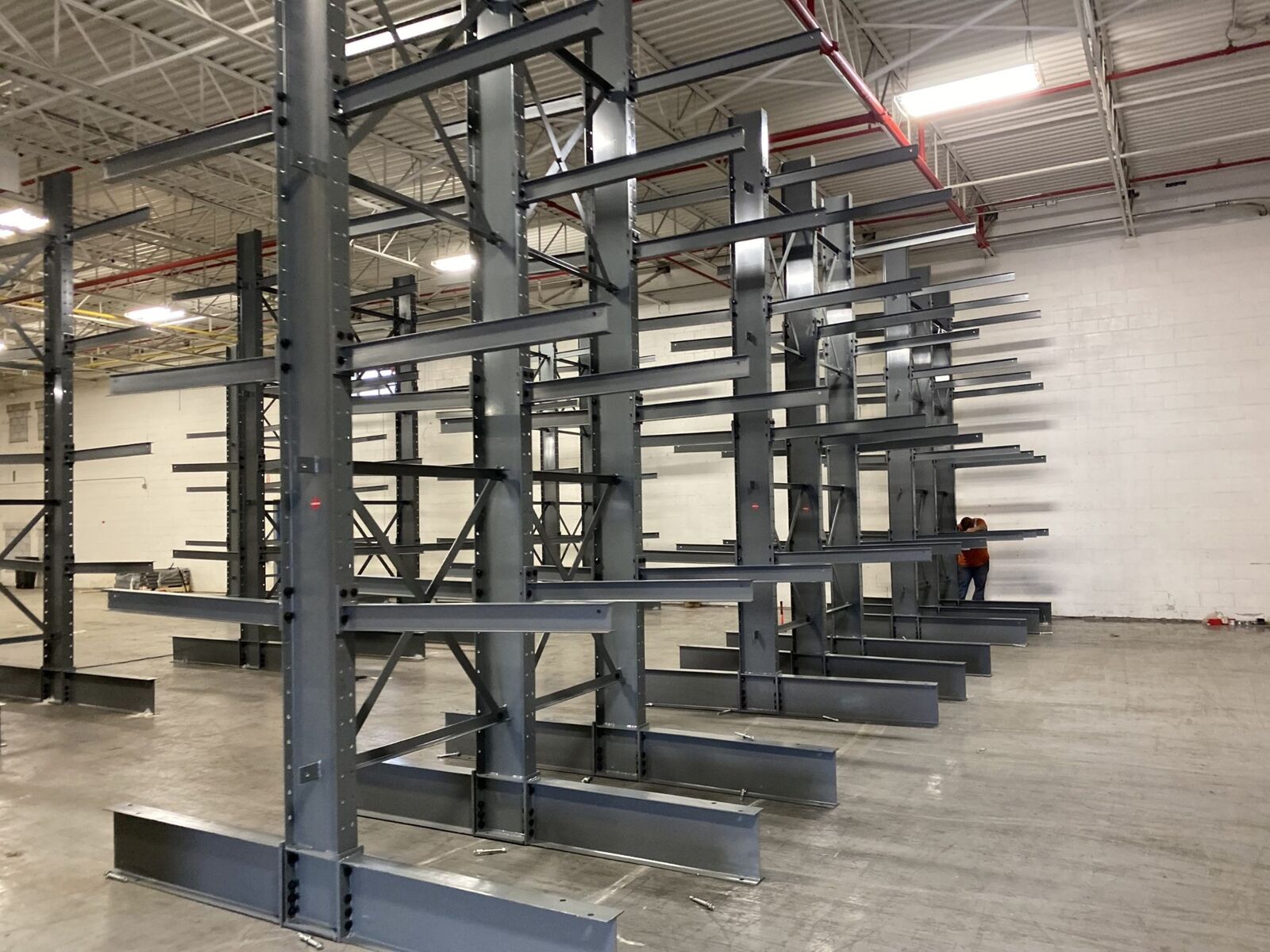
Cantilever Rack
Arms with nothing in front of them, built for lumber, pipe, and anything a pallet can't hold.
View San Jose details
Warehouse Relocation
Teardown, labeling, transport coordination and reinstallation, planned around your new building and receiving schedule.
View San Jose detailsNearby Areas We Also Serve
Our service area includes San Francisco and the existing Bay Area cities, so one team can handle multiple buildings for the same company.
Where We Work
Located in San Francisco, we serve the entire Bay Area with industrial pallet racks and warehouse storage solutions.
San Francisco Pallet Rack
Address
447 Sutter St.
Ste. #506-1140
San Francisco, CA 94108
Phone
(415) 430-9104Business Hours
Monday - Friday: 8:00 AM - 6:00 PM
Saturday: Closed
Sunday: Closed
Need Carton Flow Rack in San Jose?
Call (415) 430-9104 or request a quote and we will get a layout started.