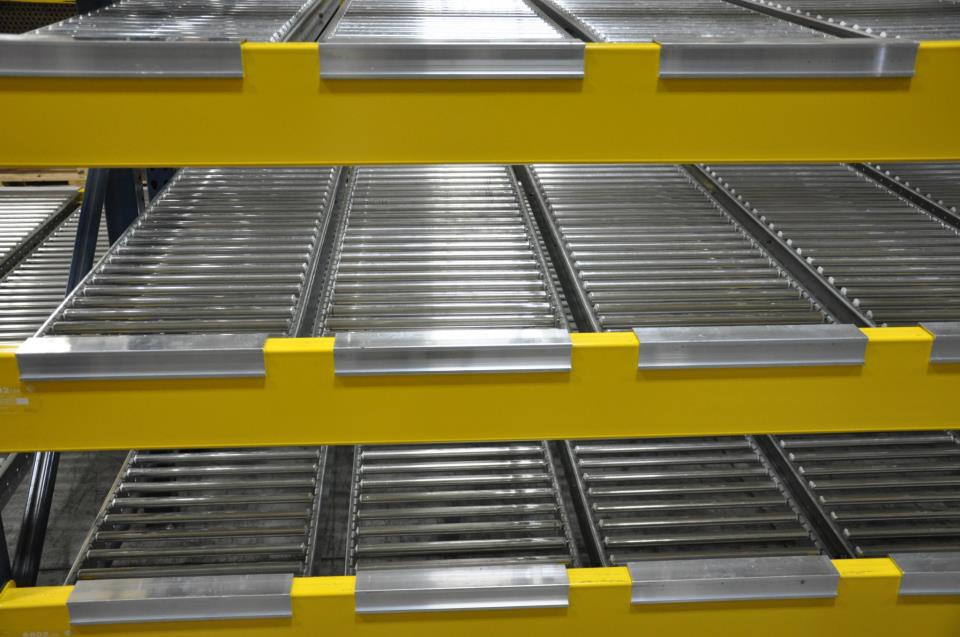
Carton Flow Rack in Redwood City, CA
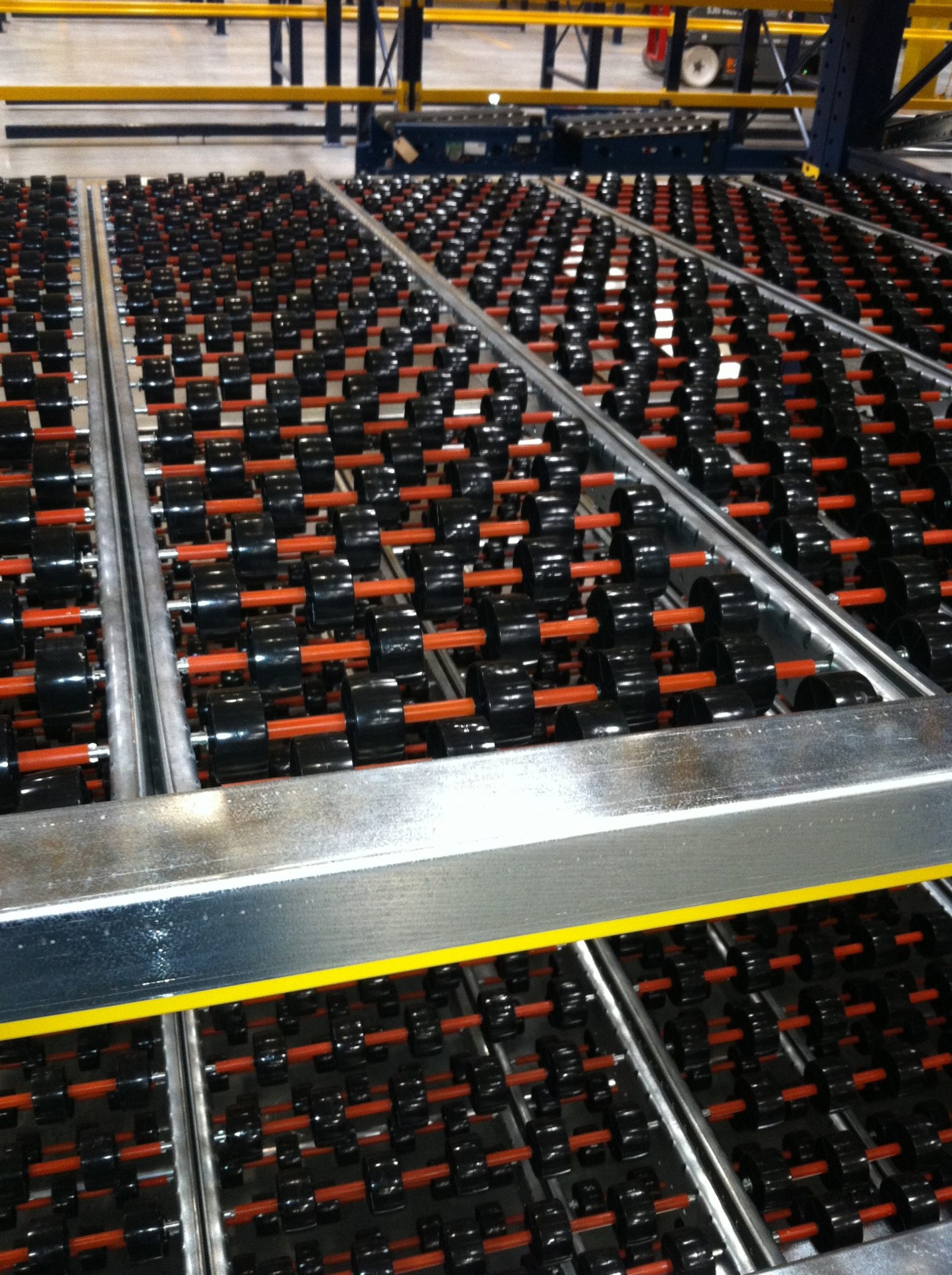
Carton flow rack in Redwood City gives boxed trade supplies a defined route from rear replenishment to front picking. Inclined roller lanes advance compatible cases or totes as operators remove the leading container. Instead of reaching into deep shelves, pickers work from a consistent presentation point while replenishment takes place behind the pick face.
For industrial supply operations, the starting point is the package rather than a standard shelf dimension. Carton length, base condition, loaded weight and daily withdrawals determine lane depth and roller support. A division of Warehouse Equipment & Supplies Co., we have supplied and installed warehouse storage systems since 1997.
How carton flow rack supports the pick cycle
Develop the arrangement from measured containers and order history, then confirm the proposed movement with representative loads.
Profile the moving package
Record minimum and maximum weights, underside seams and carton dimensions. Include partially depleted cases when operators pick individual pieces from an open box.
Set the travel geometry
Select roller spacing, lane width and incline together. Test light cartons for hesitation and heavier loads for arrival behavior before fixing the final configuration.
Replenish behind the pick face
Load incoming cases at the rear and remove stock from the front. FIFO depends on maintaining the intended sequence within each dedicated item lane.
Connect picks to dispatch
Position order carts or a takeaway surface where operators can transfer selections without blocking neighboring lanes. Keep refill access separate from completed-order accumulation.
Carton flow rack layout and installation scope
Pallet-bay retrofit compatibility requires a review of beam spacing, frame dimensions, connection details and supported loads. An existing bay is not automatically suitable merely because a flow bed fits between its uprights.
For pick modules, coordinate flow-bed depth with operator reach, rear access and the destination of picked goods. Shelves above or beside the lanes should not obscure labels or constrain the intended picking motion.
Installation planning should establish component placement, lane identification and a practical loading sequence. Before routine operation, run representative packages through each distinct lane arrangement and document the accepted container range.
Redwood City warehouse storageCase picking system detailsPallet flow alternativesPushback alternatives
Why carton flow racking fits mixed trade orders
Size each lane around the actual shipping carton or reusable tote. Adjustable dividers keep neighboring items separated, while sufficient side clearance lets containers travel without rubbing. Broad boxes, narrow accessory packs and containers with recessed bases may require different track arrangements within the same picking area.
A case flow rack should allocate frontage according to demand, not simply divide every level equally. Frequently picked fittings may need adjacent lanes, while slower accessories need fewer positions. This balance keeps active products visible without assigning excessive depth to inventory that rarely moves.
Evaluate the complete picking motion: label reading, opening a case, withdrawing units and placing them into an order container. Pick-face height and presentation angle should support those actions. Reserve space for empty packaging so discarded cartons do not interrupt access to the next available unit.
Local Warehouse Planning
The Port of Redwood City and Seaport Boulevard provide a relevant setting for industrial supply and Peninsula trade distribution. Where boxed fittings share a building with long materials, separate the case replenishment approach from lengthy-load movements. Plan receiving buffers and route-order assembly independently rather than allowing either activity to occupy the rear loading aisle.


Build a lane plan around your trade inventory
Share package measurements, item counts, representative weights and a sketch of receiving and dispatch. Identify which products need several pick positions and which should remain on static shelving. Call to discuss the arrangement (415) 430-9104.
San Francisco Pallet Rack
447 Sutter St.
Ste. #506-1140
San Francisco, CA 94108
(415) 430-9104Monday - Friday: 8:00 AM - 6:00 PM
Questions from Redwood City storage buyers
Redwood City Storage Planning
Free Design Consultation Includes:
- Warehouse needs analysis
- Detailed CAD layout drawings
- Pallet rack system recommendations
- Complete project quote
- Check the final case without queue pressure
- Keep front item labels readable
Rack Systems & Relocation in Redwood City
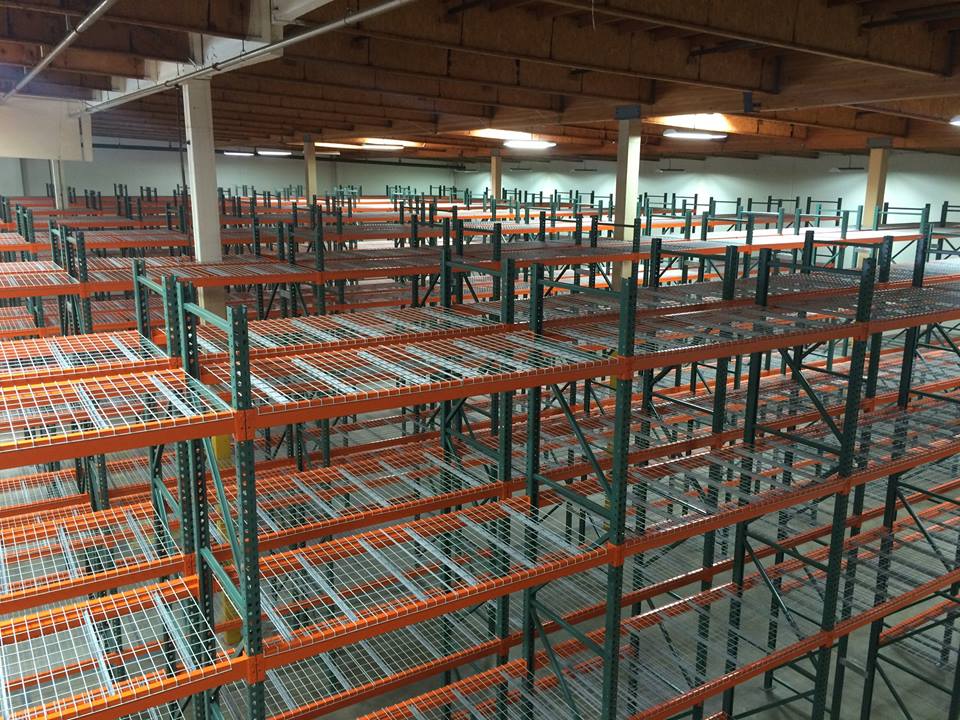
Pallet Rack
Every pallet reachable, every time. The baseline we size everything else against.
View Redwood City details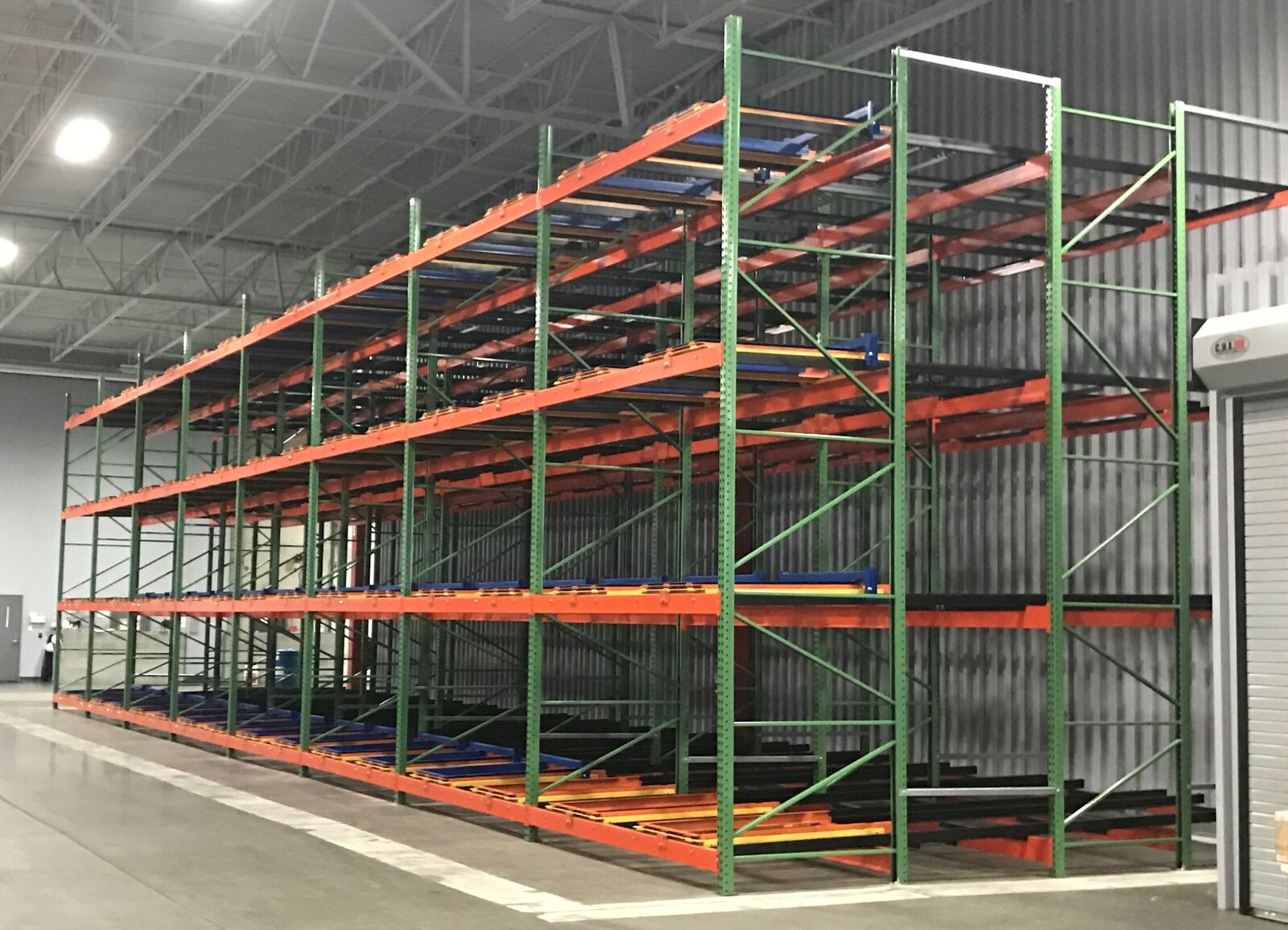
Pushback Rack
Two to five pallets deep from one aisle, without giving up much reach.
View Redwood City details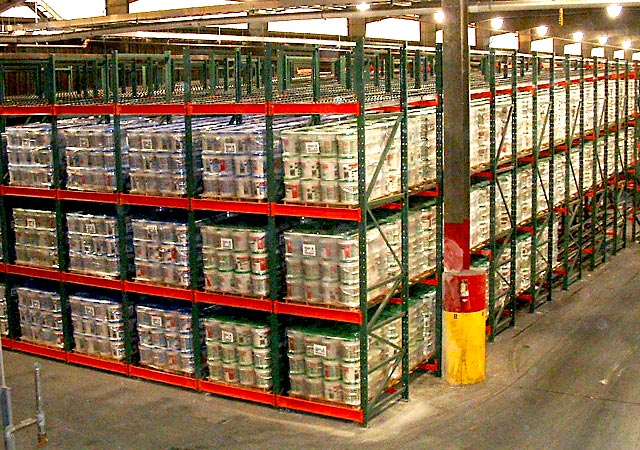
Pallet Flow Rack
Load one side, pick the other, and let gravity enforce first in, first out.
View Redwood City details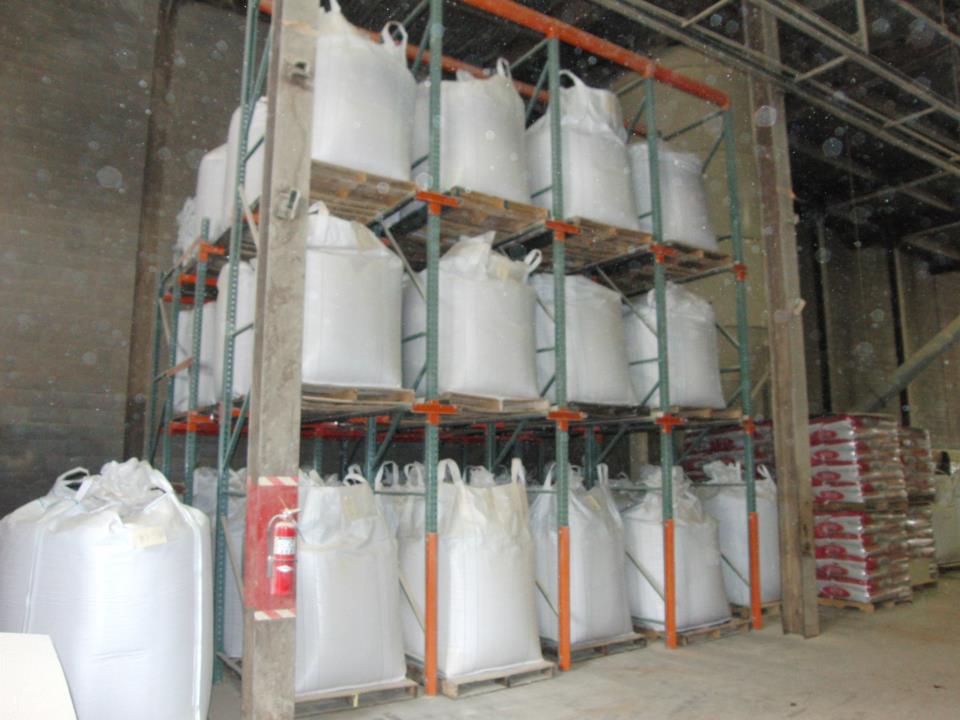
Drive-In Rack
Fewer access aisles. Forklifts enter storage lanes to handle bulk pallets of the same SKU.
View Redwood City details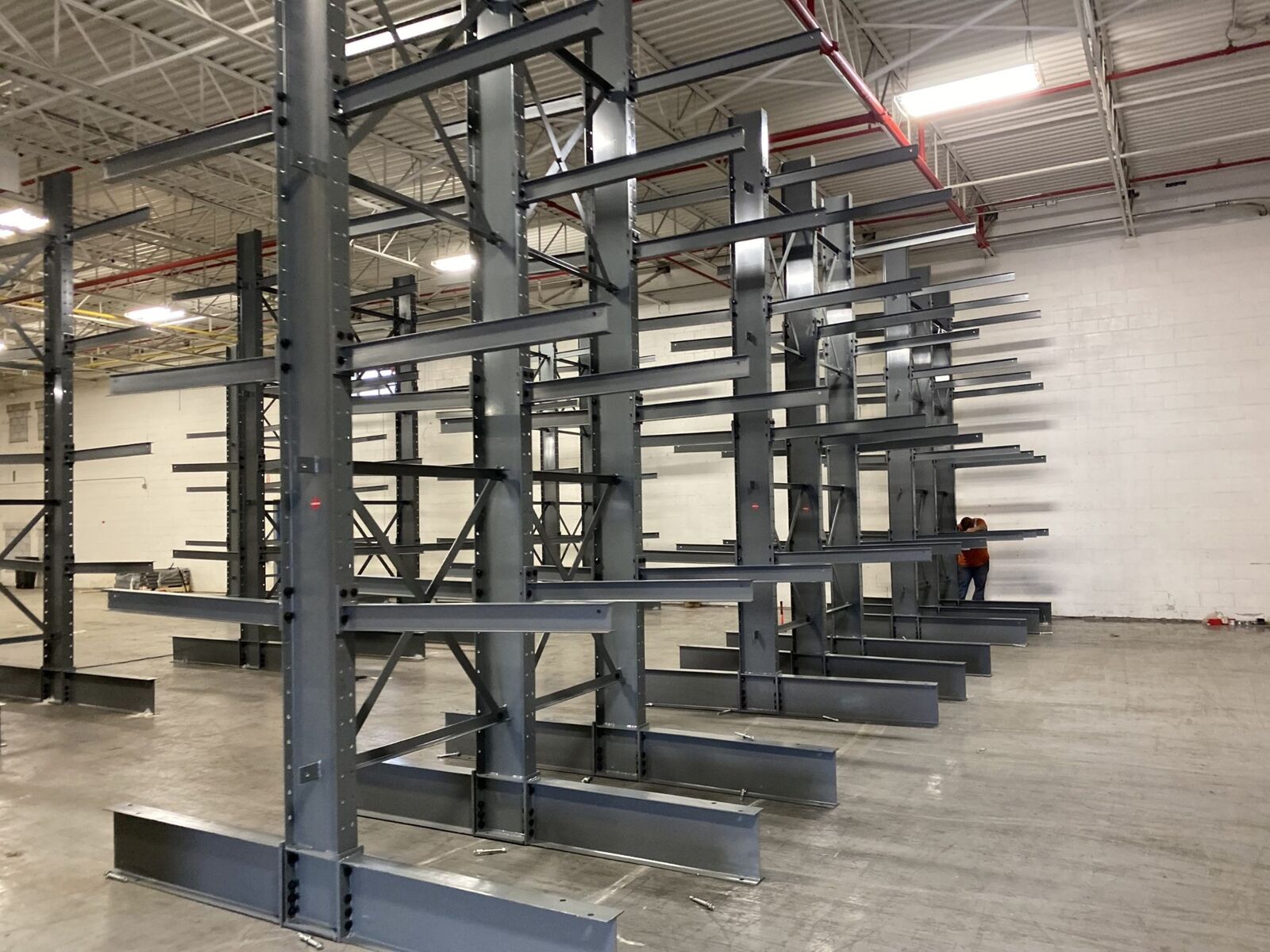
Cantilever Rack
Arms with nothing in front of them, built for lumber, pipe, and anything a pallet can't hold.
View Redwood City details
Warehouse Relocation
Teardown, labeling, transport coordination and reinstallation, planned around your new building and receiving schedule.
View Redwood City detailsNearby Areas We Also Serve
Our service area includes San Francisco and the existing Bay Area cities, so one team can handle multiple buildings for the same company.
Where We Work
Located in San Francisco, we serve the entire Bay Area with industrial pallet racks and warehouse storage solutions.
San Francisco Pallet Rack
Address
447 Sutter St.
Ste. #506-1140
San Francisco, CA 94108
Phone
(415) 430-9104Business Hours
Monday - Friday: 8:00 AM - 6:00 PM
Saturday: Closed
Sunday: Closed
Need Carton Flow Rack in Redwood City?
Call (415) 430-9104 or request a quote and we will get a layout started.