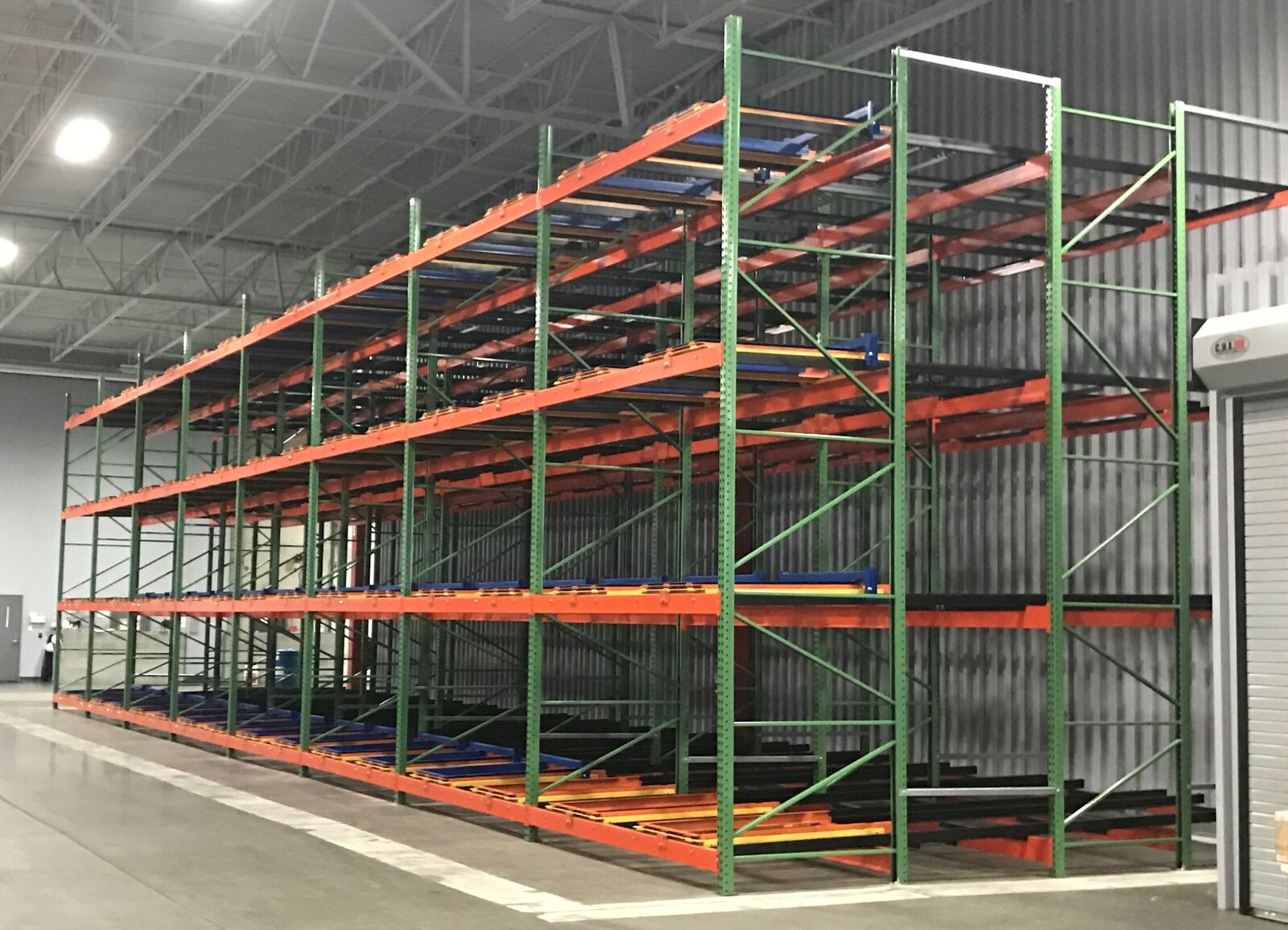
Pushback Rack in Oakland, CA
Pushback rack in Oakland groups repeat pallet loads behind a single aisle face, helping container-driven operations preserve working room. Nested carts travel on inclined rails, creating storage lanes commonly arranged two to six pallets deep. That configuration reduces the aisles separating reserve positions without requiring forklifts to enter the storage lanes.
For import distributors and 3PL operators, the useful starting point is inventory remaining after outbound orders leave—not everything unloaded from a container. A lane holding one interchangeable item can simplify reserve placement; a lane containing unrelated customer stock can create retrieval problems.
How Push Back Racking Handles Receipts
Pushback pallet rack uses cart movement to consolidate compatible loads while keeping the truck outside each lane.
Load from one face
The first pallet rests on a nested cart. A later pallet pushes that occupied cart rearward as the operator places the next load.
Retrieve in reverse order
Removing the front pallet lets the remaining carts advance under controlled handling. Each lane follows last-in, first-out, or LIFO, withdrawal.
Match depth to ownership
Dedicate lanes by SKU and any required customer separation. Deeper storage only helps when enough interchangeable pallets regularly occupy those positions.
Keep handling consistent
Check pallet dimensions, underside condition and loaded weight. Cart engagement and load clearance must remain suitable throughout the intended receipt mix.
Pushback Rack Layout and Component Review
Compare two-, three- and deeper lane arrangements against normal replenishment batches. Six-deep storage may appear attractive during a container arrival yet leave fragmented vacancies after orders ship. More shallow lanes can preserve useful faces when imported assortments change. Include the largest loaded pallet envelope, not merely the nominal pallet footprint, when establishing lane spacing and overhead clearance.
Existing beams and frames require a compatibility review before adding a new system. Connection type, member capacities, frame condition, cart supports and rail attachments must suit the proposed assembly. Similar-looking components do not establish interchangeability. The forklift also needs sufficient reach and handling clearance at the highest proposed loading position.
Selective rack provides individual access for mixed imports. Drive-in storage may suit concentrated repeat loads when truck entry is acceptable. Pallet flow deserves consideration where first-in, first-out withdrawal governs shipping. Choosing among them should follow inventory behavior rather than an isolated count of possible pallet positions.
Oakland warehouse storagePushback system detailsPallet flow alternativesDrive-in storage options
Pushback Rack for Container-Batch Reserve
We start with pallets per SKU, customer ownership and release requirements. Those distinctions determine whether imported merchandise belongs together or needs separate faces. Container volume alone cannot establish lane depth because receiving surges and ordinary reserve balances represent different storage demands.
As a division of Warehouse Equipment & Supplies Co., we have been supplying and installing storage equipment since 1997. Our planning connects equipment selection with the handling decisions your receiving and shipping teams actually make.
Installation planning includes material access, rack assembly areas and the sequence for opening replacement storage positions. We use experienced installation crews we schedule and manage, with work boundaries agreed around the receiving space your operation must retain.
Local Warehouse Planning
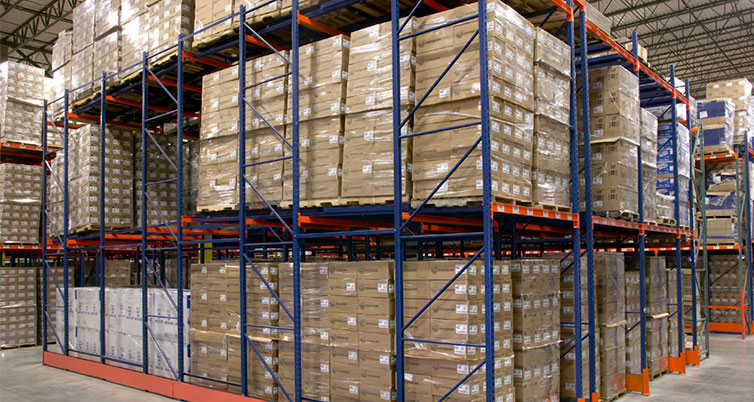
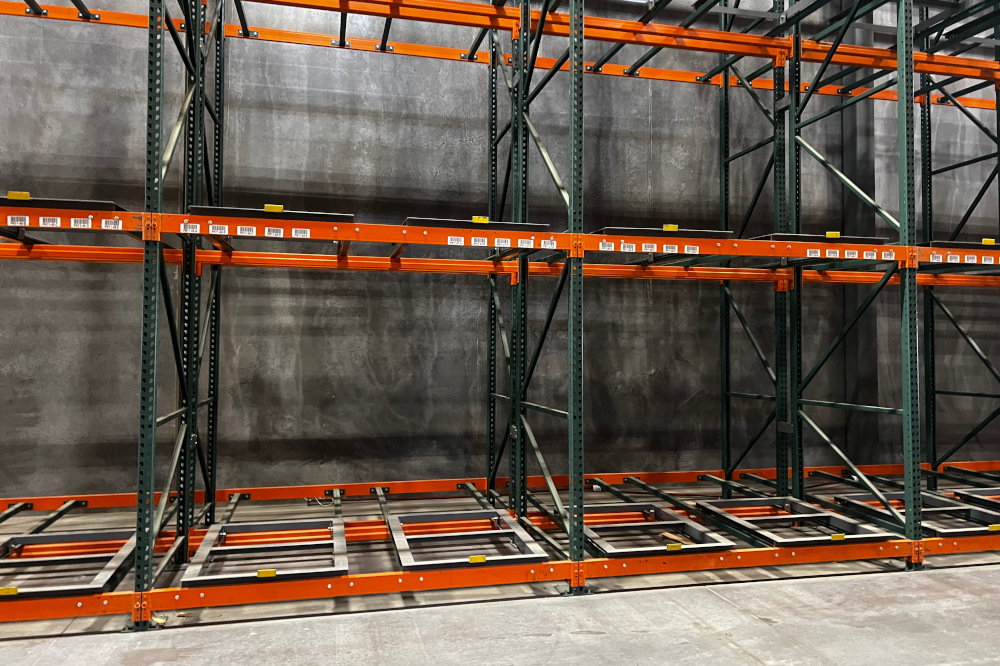
Port of Oakland and Seaport Logistics Complex operations need container sorting space. In West Oakland and along Hegenberger, reserve rows should leave inspection and outbound assembly areas distinct rather than treating temporary receipt piles as permanent inventory.


Discuss Oakland Push Back Racking
Share your SKU balances, pallet measurements, customer-separation rules and receiving layout. We can discuss lane assignments, equipment compatibility and installation sequencing around the space needed to process container receipts. (415) 430-9104.
San Francisco Pallet Rack
447 Sutter St.
Ste. #506-1140
San Francisco, CA 94108
(415) 430-9104Monday - Friday: 8:00 AM - 6:00 PM
Oakland Buyer Questions
Oakland Storage Planning
Free Design Consultation Includes:
- Warehouse needs analysis
- Detailed CAD layout drawings
- Pallet rack system recommendations
- Complete project quote
- Load from one face
- Retrieve in reverse order
- Match depth to ownership
- Keep handling consistent
Rack Systems & Relocation in Oakland
Pallet Rack
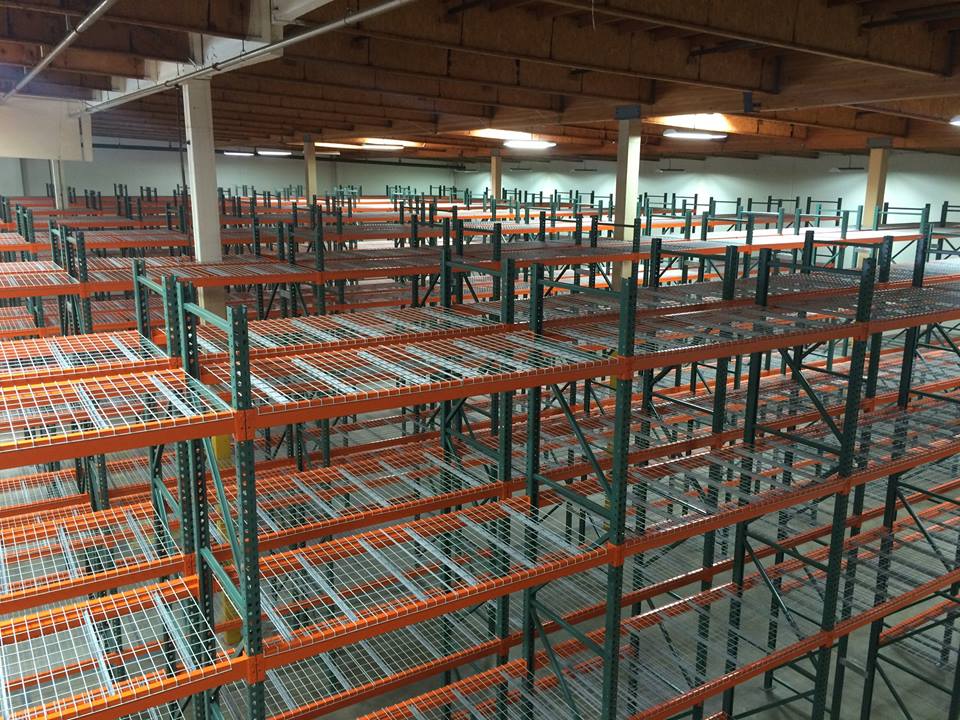
Every pallet reachable, every time. The baseline we size everything else against.
View Oakland details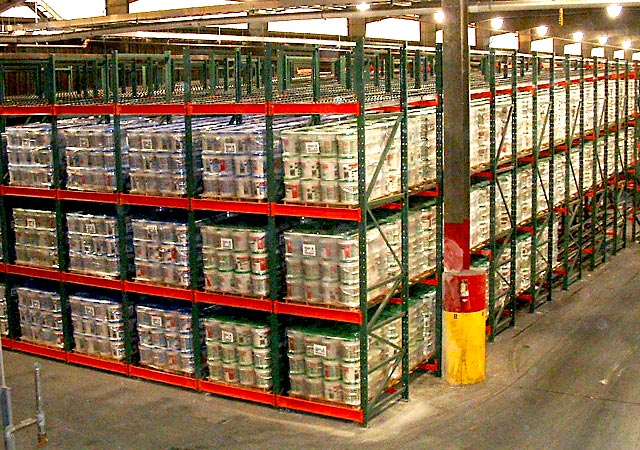
Pallet Flow Rack
Load one side, pick the other, and let gravity enforce first in, first out.
View Oakland details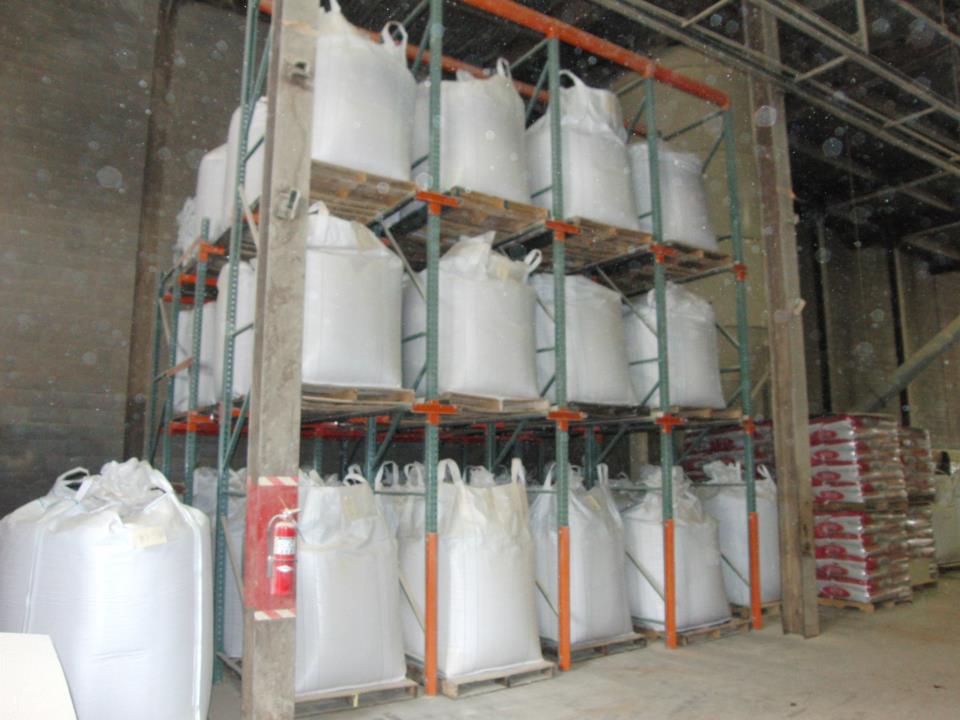
Drive-In Rack
Fewer access aisles. Forklifts enter storage lanes to handle bulk pallets of the same SKU.
View Oakland details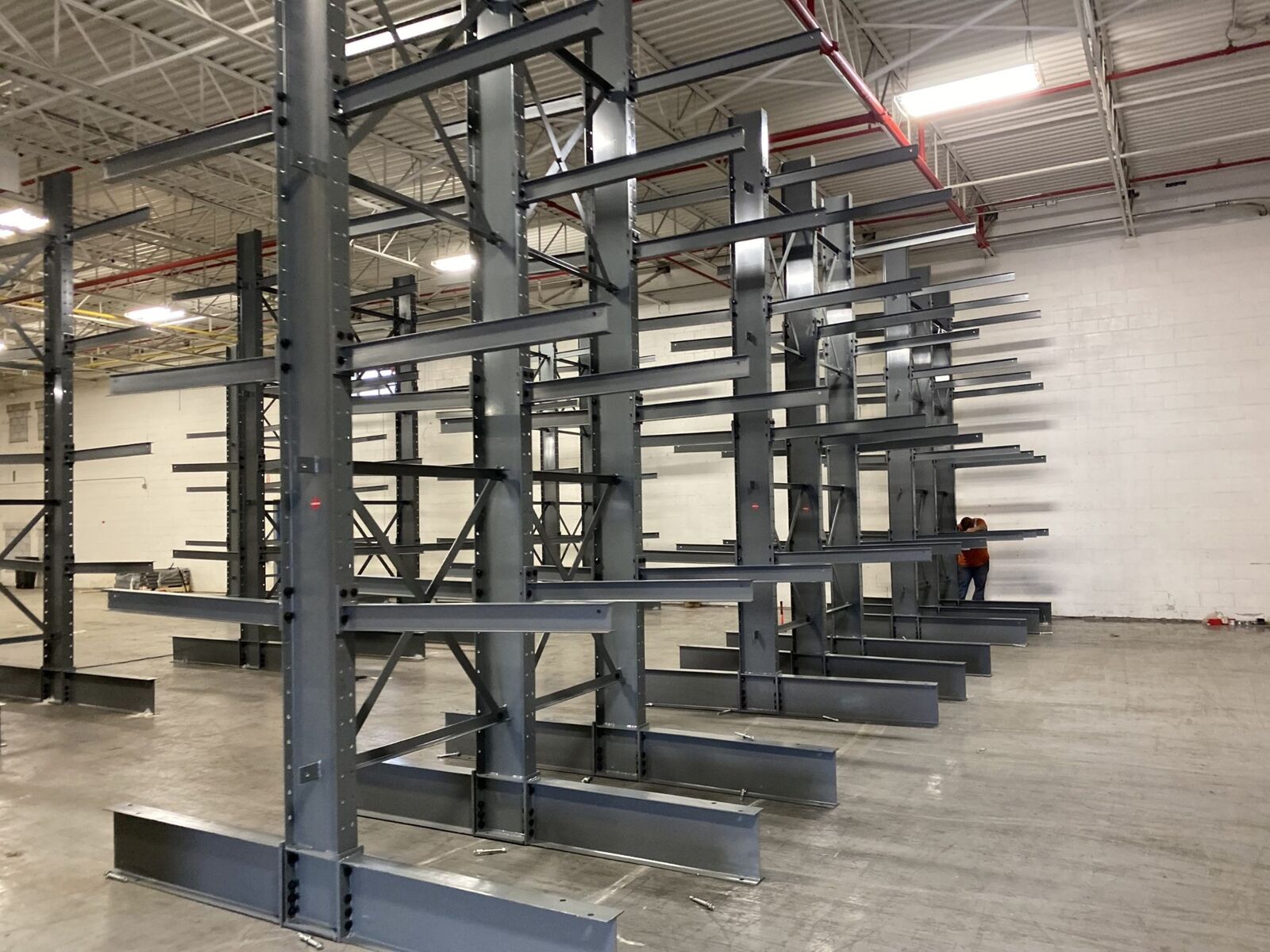
Cantilever Rack
Arms with nothing in front of them, built for lumber, pipe, and anything a pallet can't hold.
View Oakland details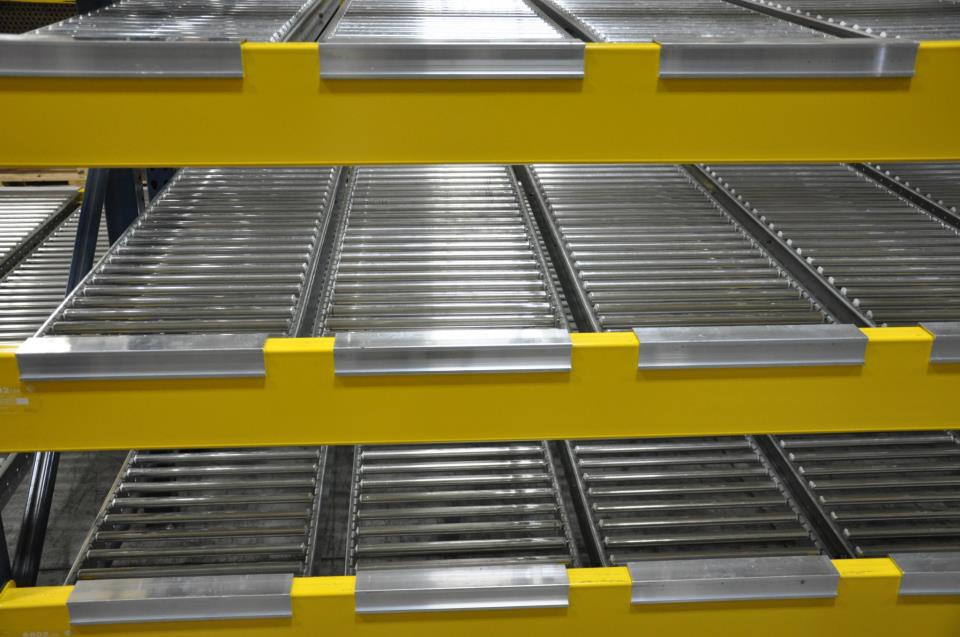
Carton Flow Rack
Cases advance to the picker instead of the picker hunting for cases.
View Oakland details
Warehouse Relocation
Teardown, labeling, transport coordination and reinstallation, planned around your new building and receiving schedule.
View Oakland detailsNearby Areas We Also Serve
Our service area includes San Francisco and the existing Bay Area cities, so one team can handle multiple buildings for the same company.
Where We Work
Located in San Francisco, we serve the entire Bay Area with industrial pallet racks and warehouse storage solutions.
San Francisco Pallet Rack
Address
447 Sutter St.
Ste. #506-1140
San Francisco, CA 94108
Phone
(415) 430-9104Business Hours
Monday - Friday: 8:00 AM - 6:00 PM
Saturday: Closed
Sunday: Closed
Need Pushback Rack in Oakland?
Call (415) 430-9104 or request a quote and we will get a layout started.