
Warehouse Relocation in Oakland, CA
Warehouse relocation in Oakland aligns rack movements with container receiving cutoffs. Import distribution and third-party logistics operations need a defined cutoff for incoming containers before old storage rows become work areas. Establish where pending receipts will be unloaded, inspected and assigned locations so a shipment does not arrive at a building already committed to dismantling.
Warehouse Equipment & Supplies Co. has been supplying and installing since 1997; our division brings that equipment focus to rack relocation. We document reusable steel, prepare new destination CAD drawings and align the transfer sequence with receiving capacity rather than simply reproducing the previous rows.
Pallet rack relocation and import receiving interfaces
Pallet rack relocation needs a receiving plan as well as a storage drawing. Container quantities can exceed the space available for immediate putaway, so designate temporary receipt and inspection footprints outside the steel assembly area.
Compatible new rack can supplement accepted reused assemblies where the destination requires different run lengths or capacity. Document connection suitability and component information before combining equipment rather than relying on a visual match.
Stored goods are not automatically included in rack shipment coordination. State whether your operating team or a separate carrier handles imported inventory, and assign custody, count verification and any food stock handling requirements in writing.
Oakland warehouse storageRegional moving servicePushback alternativesPallet flow alternatives
Rack relocation with identified installation waves
Warehouse relocation phases should connect a completed receiving zone with a specific transfer wave, using one location conversion list across dispatch and receiving teams.
Survey the destination
Survey the destination footprint, column grid, pallet sizes and lift truck clearances. Draw the new storage arrangement in CAD with separate container receipt staging and outbound assembly areas, then check beam elevations against intended loads and equipment reach.
Empty and dismantle
Clear every pallet and loose carton from the agreed section before work starts. Mark the original row and bay on component groups, isolate the handling area and dismantle progressively, collecting connection hardware in labeled containers instead of loose piles.
Bundle and transfer
Prepare identified beam and frame bundles linked to destination rows. Coordinate transport, loading support and unloading appointments so crews can reach the first required assemblies without shifting unrelated steel across active order staging or newly received import stock.
Rebuild and release
Reconcile arriving material with the bundle schedule and inspect connection points before rebuilding. Keep the rebuilt assemblies anchored to the floor, fit specified replacement pieces and confirm destination capacities and labels before releasing each zone for inventory placement.
Warehouse relocation before the container cutoff
Compare component markings, connector patterns and available capacity records before approving reuse. Similar beam lengths can conceal different connections, so the inventory must identify assemblies instead of counting loose steel alone.
Require each dismantling zone to be empty, isolated and released by the operating team. Container unloading and order picking need clearly separated working routes while components are removed.
Inspect for bent frames, damaged beam ends and absent locks during the survey and again after delivery. Replace rejected parts and keep them outside accepted bundles.

Local Warehouse Planning
West Oakland and the Hegenberger corridor serve operations connected with the Port of Oakland. Schedule transfers using I-880 or I-580 around confirmed appointments, and preserve inspection space for incoming batches rather than allowing rack deliveries to consume the entire receiving floor.


Plan the Oakland equipment handoff
Provide both building layouts, container receipt patterns, rack photographs and required handover dates. We can develop a rack relocation scope that identifies phased access, replacement material and responsibilities for receiving each transfer. (415) 430-9104.
San Francisco Pallet Rack
447 Sutter St.
Ste. #506-1140
San Francisco, CA 94108
(415) 430-9104Monday - Friday: 8:00 AM - 6:00 PM
Oakland rack transfer buying questions
Oakland Storage Planning
Free Design Consultation Includes:
- Warehouse needs analysis
- Detailed CAD layout drawings
- Pallet rack system recommendations
- Complete project quote
- Container receipt cutoffs are assigned to each building
- One conversion list connects old and new location labels
Rack Systems & Relocation in Oakland
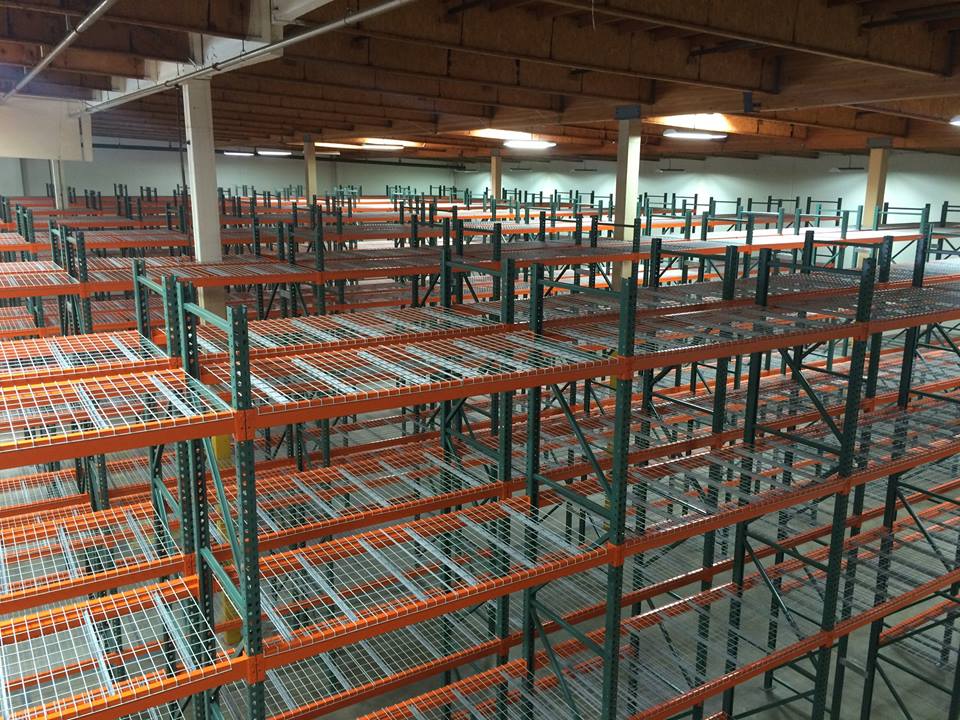
Pallet Rack
Every pallet reachable, every time. The baseline we size everything else against.
View Oakland details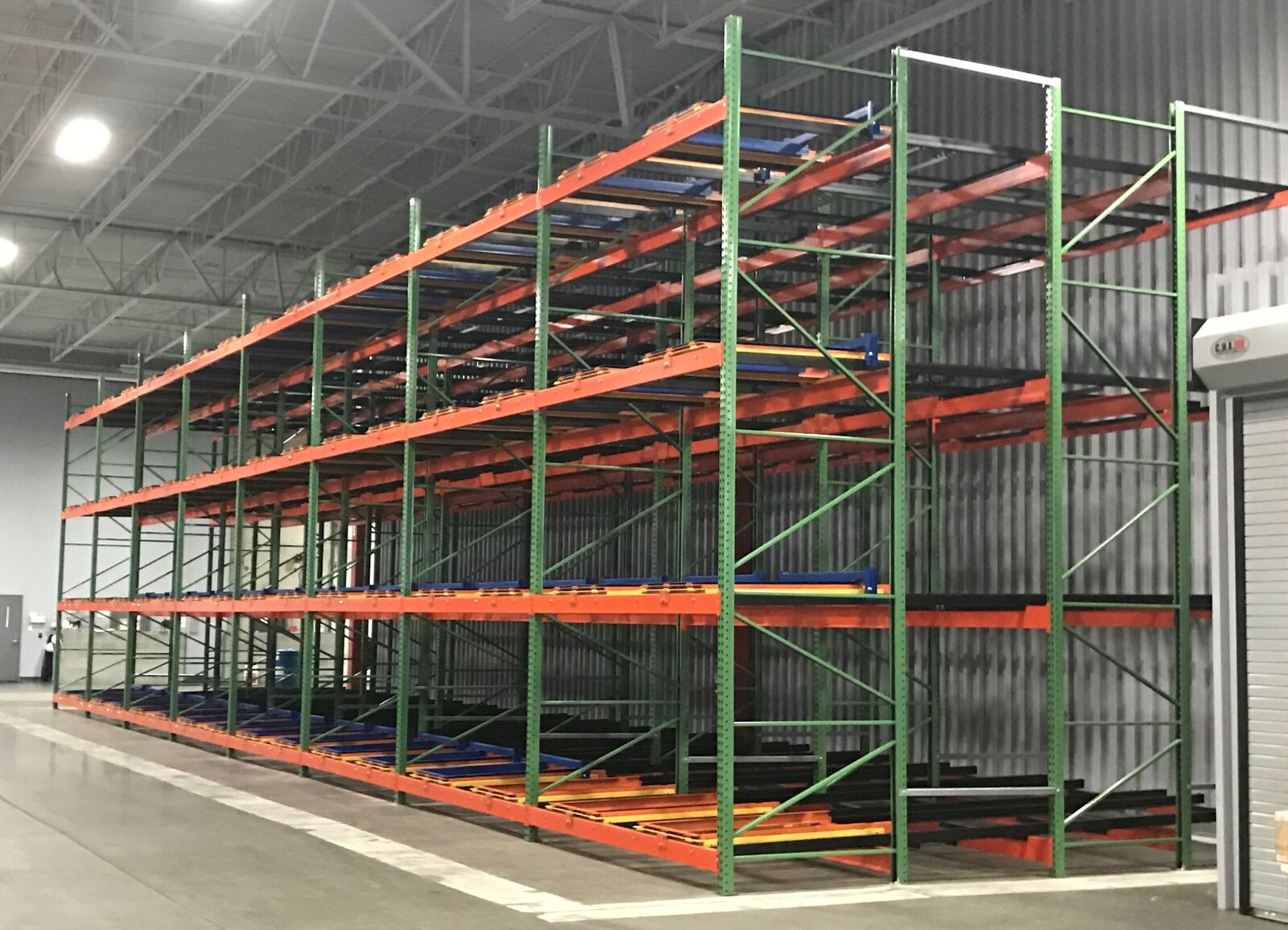
Pushback Rack
Two to five pallets deep from one aisle, without giving up much reach.
View Oakland details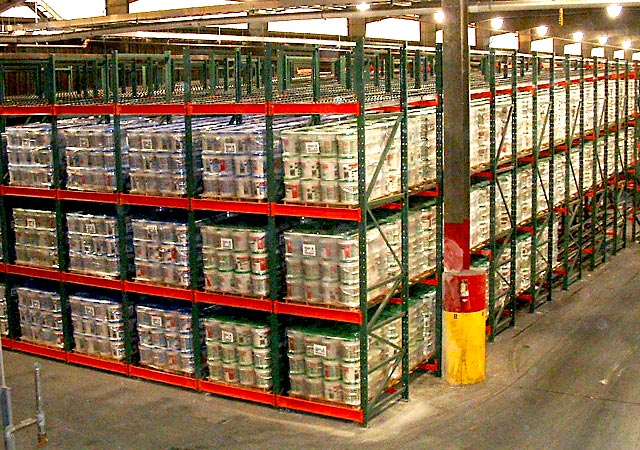
Pallet Flow Rack
Load one side, pick the other, and let gravity enforce first in, first out.
View Oakland details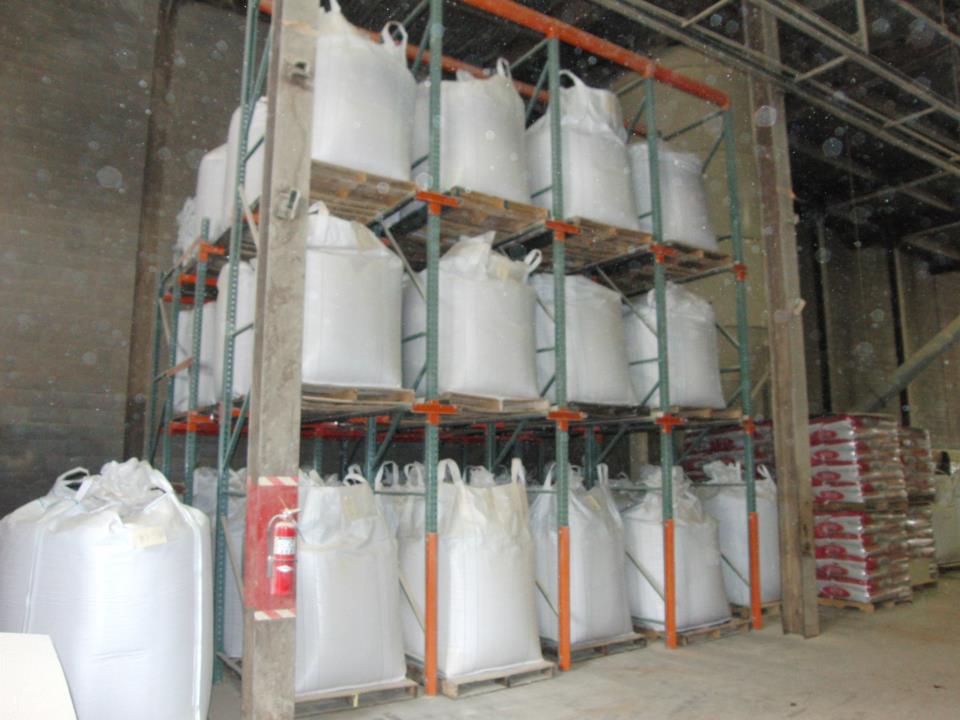
Drive-In Rack
Fewer access aisles. Forklifts enter storage lanes to handle bulk pallets of the same SKU.
View Oakland details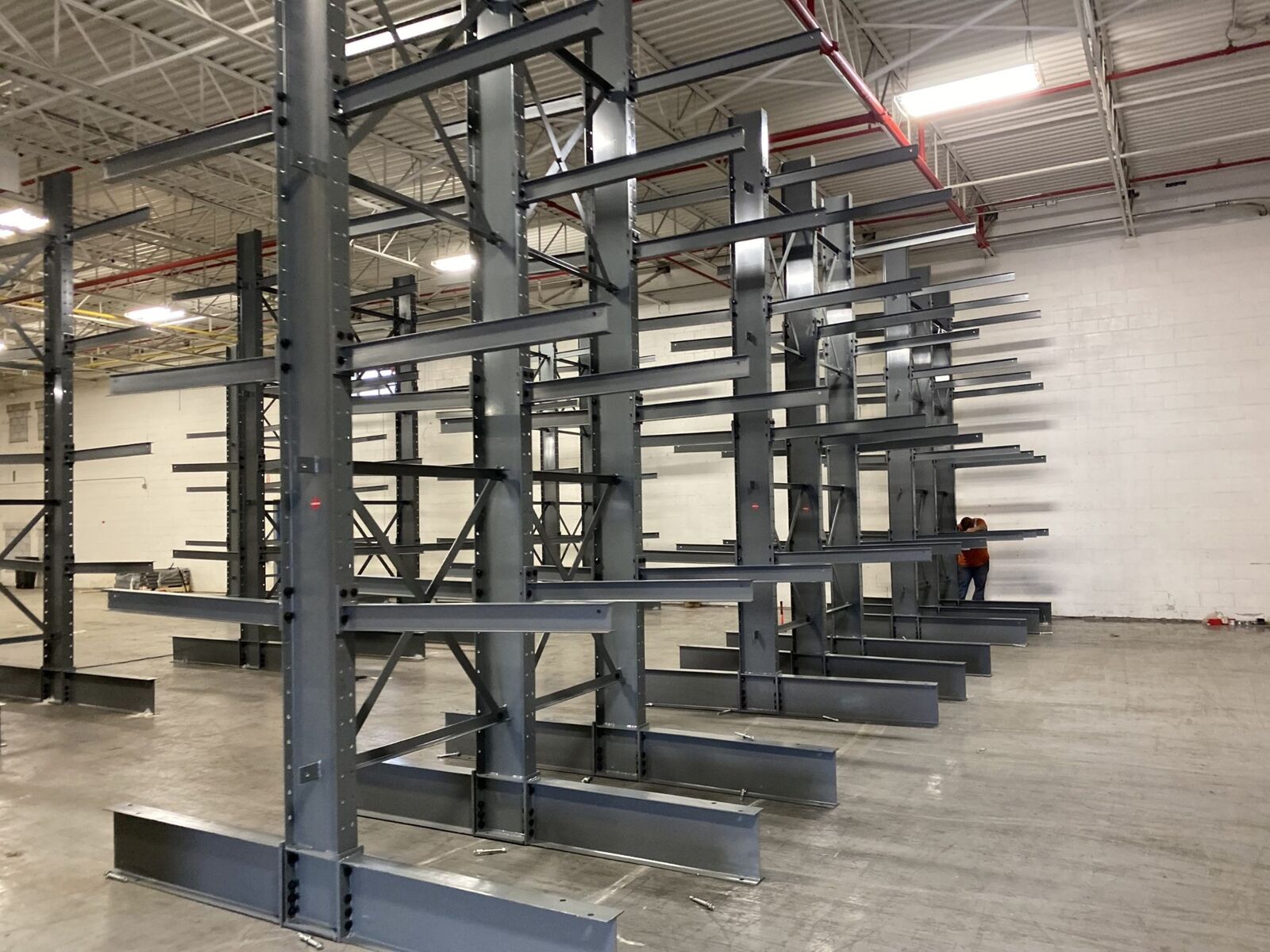
Cantilever Rack
Arms with nothing in front of them, built for lumber, pipe, and anything a pallet can't hold.
View Oakland details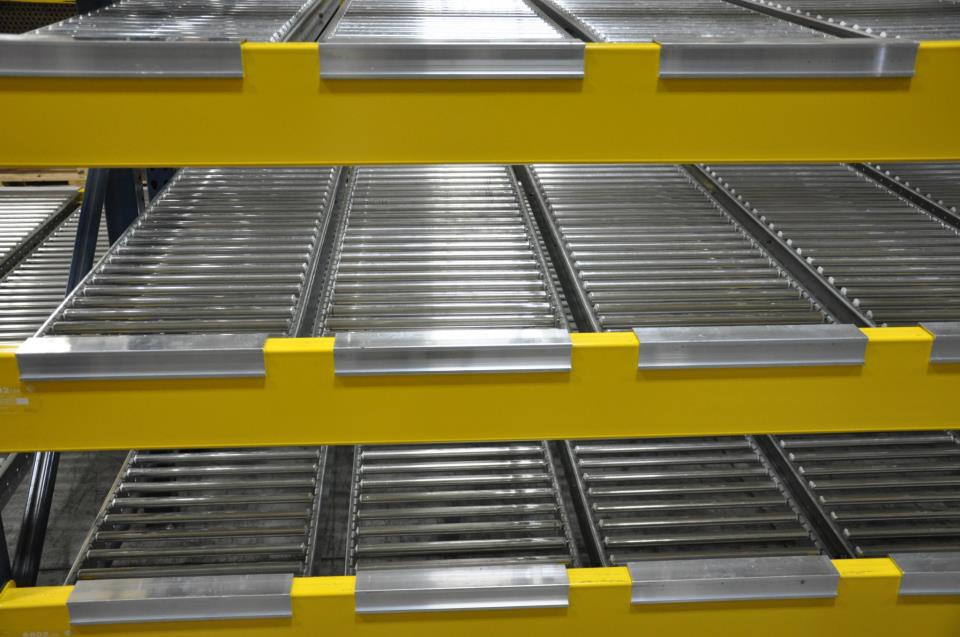
Carton Flow Rack
Cases advance to the picker instead of the picker hunting for cases.
View Oakland detailsNearby Areas We Also Serve
Our service area includes San Francisco and the existing Bay Area cities, so one team can handle multiple buildings for the same company.
Where We Work
Located in San Francisco, we serve the entire Bay Area with industrial pallet racks and warehouse storage solutions.
San Francisco Pallet Rack
Address
447 Sutter St.
Ste. #506-1140
San Francisco, CA 94108
Phone
(415) 430-9104Business Hours
Monday - Friday: 8:00 AM - 6:00 PM
Saturday: Closed
Sunday: Closed
Need Warehouse Relocation in Oakland?
Call (415) 430-9104 or request a quote and we will get a layout started.