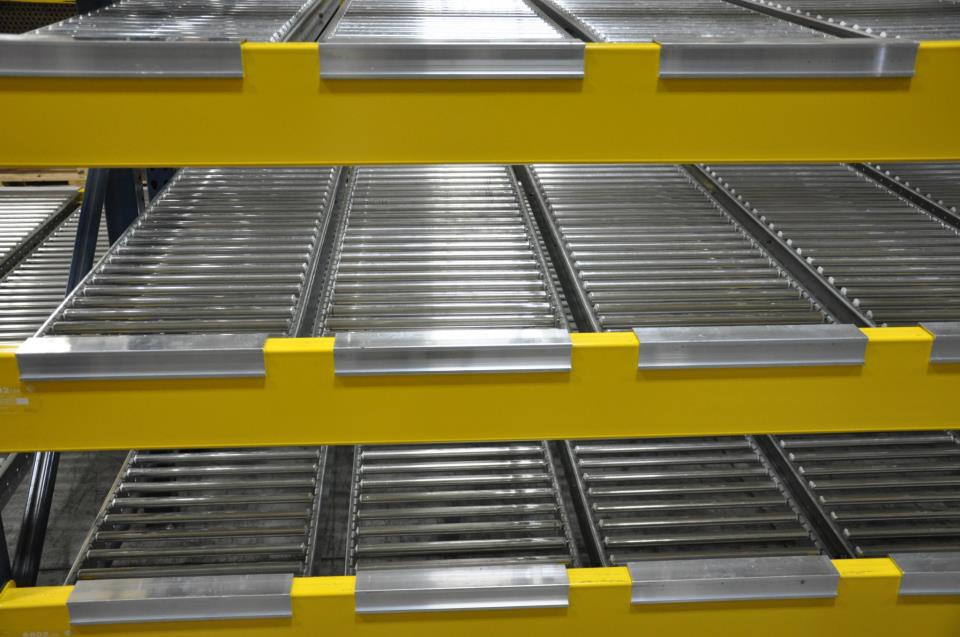
Carton Flow Rack in Sunnyvale, CA
Carton flow rack in Sunnyvale can place assembly components where kit builders expect to find them, with replacement containers advancing toward the front. Inclined roller lanes carry compatible cartons or totes from rear loading to the pick face. Dedicated lanes support FIFO when new inventory enters behind earlier stock and operators follow the assigned sequence.
For technology supply, the most useful arrangement connects storage to the workbench rather than creating a separate destination for every pick. Tote dimensions, kit demand and replenishment access establish the layout. Since 1997, our division of Warehouse Equipment & Supplies Co. has been supplying and installing warehouse storage systems.
Case flow rack configuration and bay review
Pallet-bay retrofit compatibility depends on the supporting frame, beam arrangement, connections and loading. Verify those conditions alongside flow-bed dimensions, and preserve enough rear space to load containers squarely into their lanes.
Pick modules should coordinate level spacing with tote height and access to the smallest components. Review the workstation handoff so operators can place selected parts directly into a kit container without reaching across unrelated picks.
For installation, define lane identifiers, accepted package ranges and the initial item allocation. Run each materially different tote or carton through its proposed arrangement before transferring the full component assortment into active positions.
Sunnyvale warehouse storageCase picking system detailsPallet flow alternativesPushback alternatives
How carton flow rack connects storage to assembly
Build the carton flow rack plan around a complete kit cycle, including the return of empty containers and the arrival of replacement stock.
Translate kits into lanes
Compare parts per kit, kits per shift and units per container. Use that relationship to estimate active frontage and the frequency of rear replenishment.
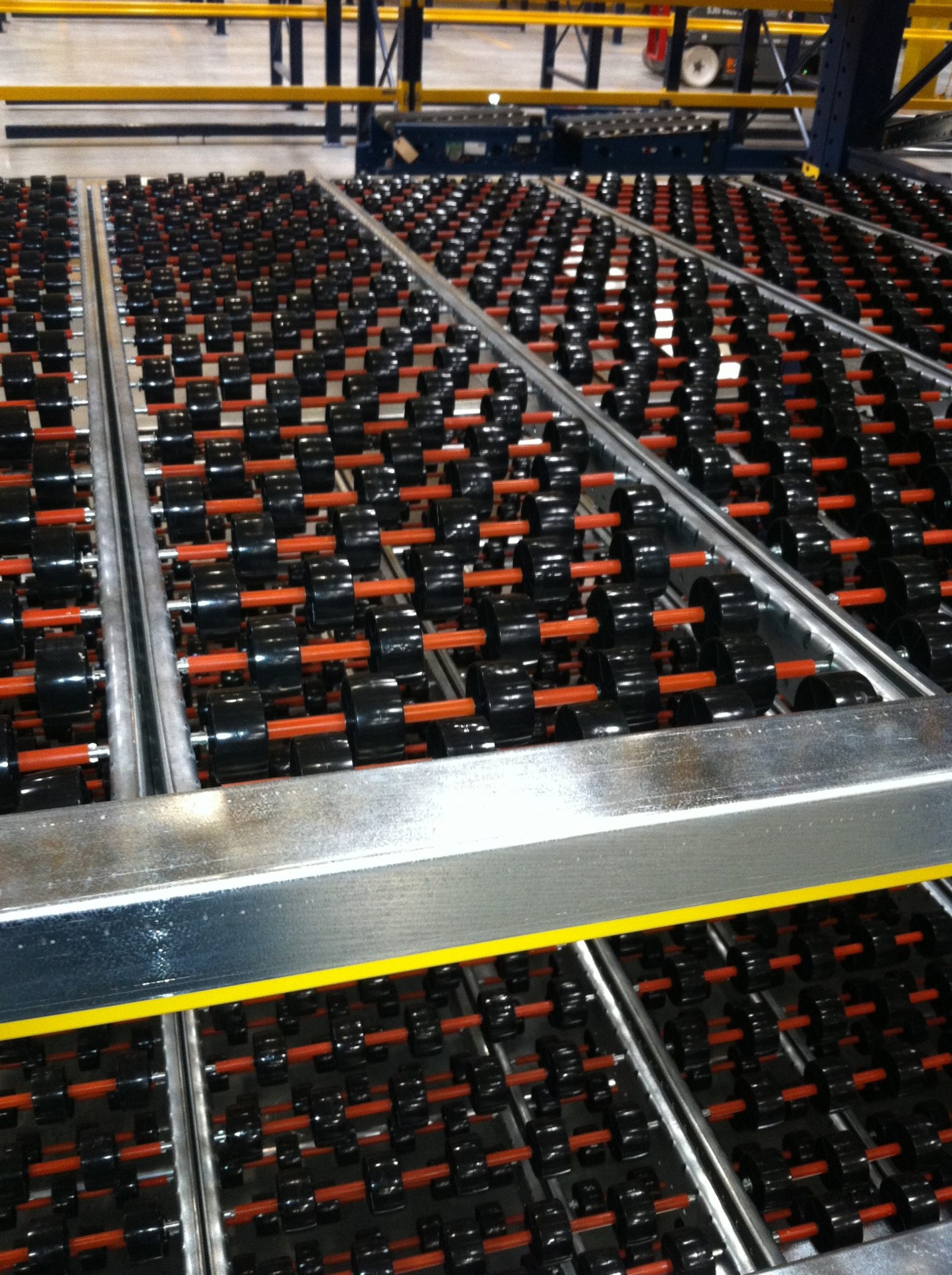
Match containers to rollers
Measure the base contact areas and loaded weights of approved totes. Select track placement and incline through trials rather than assuming all molded containers behave similarly.
Define opposite-side access
Position front picking toward kit assembly and rear loading toward replenishment. Keep cart parking out of both working paths so personnel can approach without obstructions.
Complete the container cycle
Assign a destination for empty totes and packaging. Check that returns do not accumulate beneath the pick face or block access to the next component.
Why carton flow racking should follow kit demand
Study which components are selected together and how often operators revisit each position. Grouping related picks can shorten the path through a kit without mixing part numbers. High-consumption items may warrant parallel lanes, while infrequent components can remain in individually accessible shelf locations.
The roller arrangement must match the working tote, including its feet, ribs and recessed surfaces. A container that sits flat on a workbench may contact only a few rollers. Confirm support across its travel path and include the lowest remaining load expected before replenishment.
Use dividers to define lanes, not to force an unsuitable container through a narrow opening. Provide clearance for normal dimensional variation and keep labels visible above the front restraint. The picker should recognize the location before reaching into an opened carton or tote.
Local Warehouse Planning
Moffett Park and Lawrence Station provide Sunnyvale context for electronics, technology supply and assembly. Plan the relationship between component storage, workstations and outbound packaging before allocating rows. US-101 and State Route 237 frame regional access, but the internal design should follow measured tote movements and actual replenishment needs rather than an assumed delivery pattern.


Map your next assembly picking area
Gather tote samples, kit quantities, package weights and workstation dimensions. Mark the replenishment approach and empty-container return on your floor sketch. To connect those movements without crowding the assembly position, call (415) 430-9104.
San Francisco Pallet Rack
447 Sutter St.
Ste. #506-1140
San Francisco, CA 94108
(415) 430-9104Monday - Friday: 8:00 AM - 6:00 PM
Sunnyvale assembly-storage questions
Sunnyvale Storage Planning
Free Design Consultation Includes:
- Warehouse needs analysis
- Detailed CAD layout drawings
- Pallet rack system recommendations
- Complete project quote
- Reach the final pieces in a deep tote
- Allow square container entry at the rear
Rack Systems & Relocation in Sunnyvale
Pallet Rack
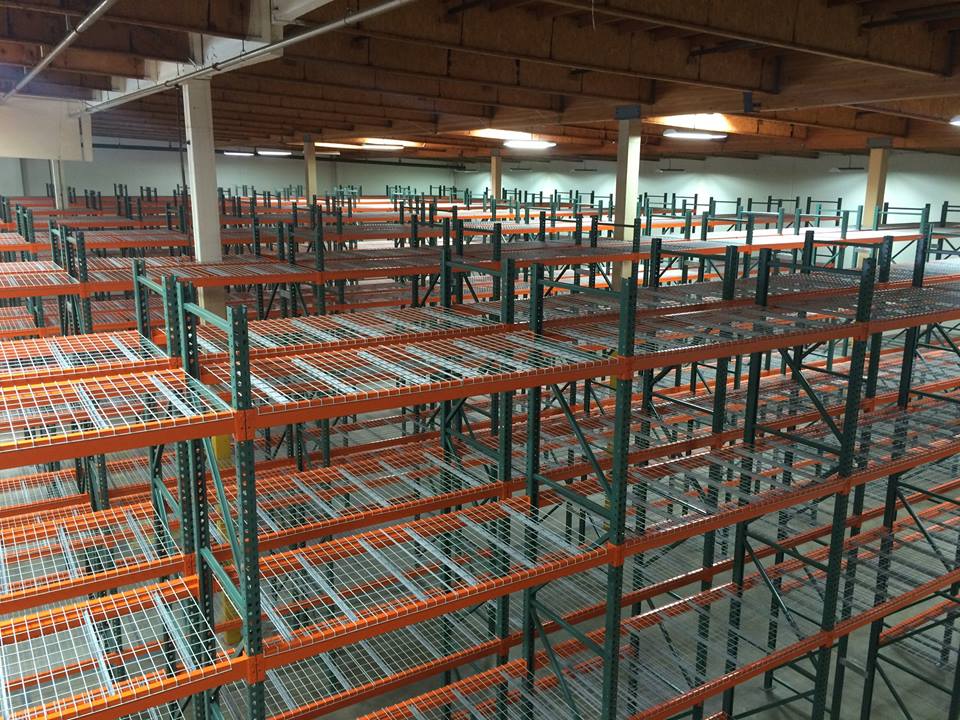
Every pallet reachable, every time. The baseline we size everything else against.
View Sunnyvale details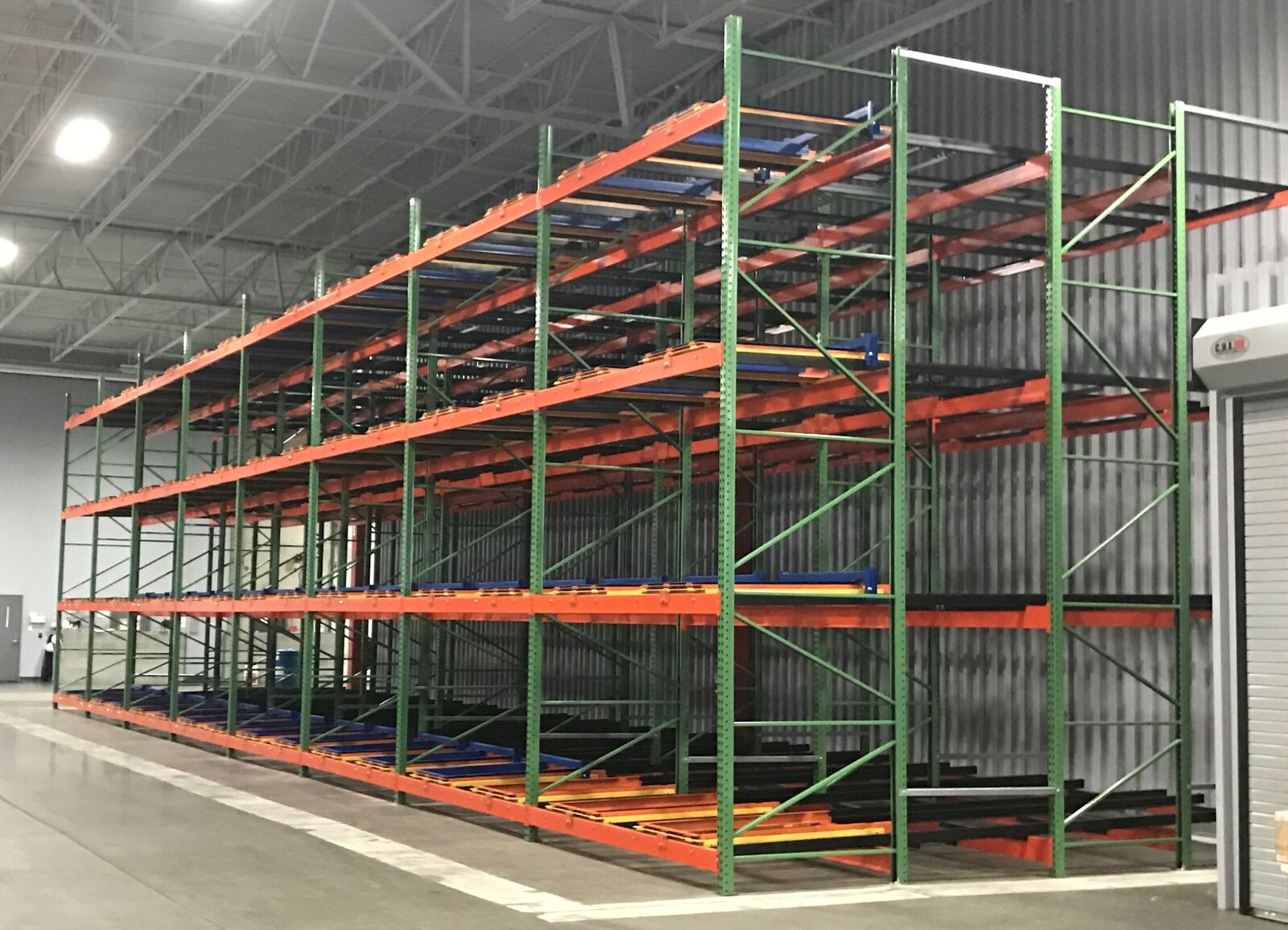
Pushback Rack
Two to five pallets deep from one aisle, without giving up much reach.
View Sunnyvale details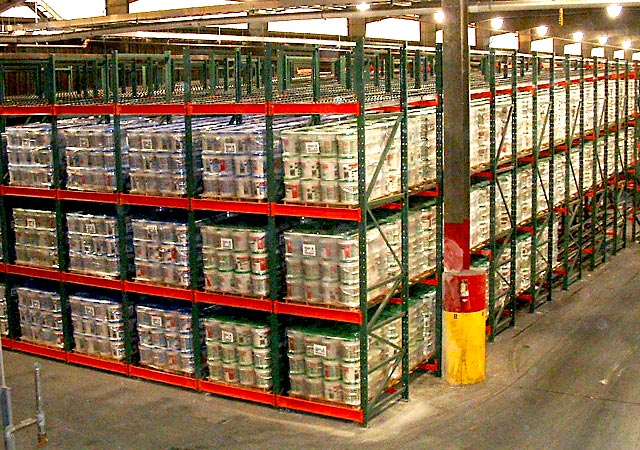
Pallet Flow Rack
Load one side, pick the other, and let gravity enforce first in, first out.
View Sunnyvale details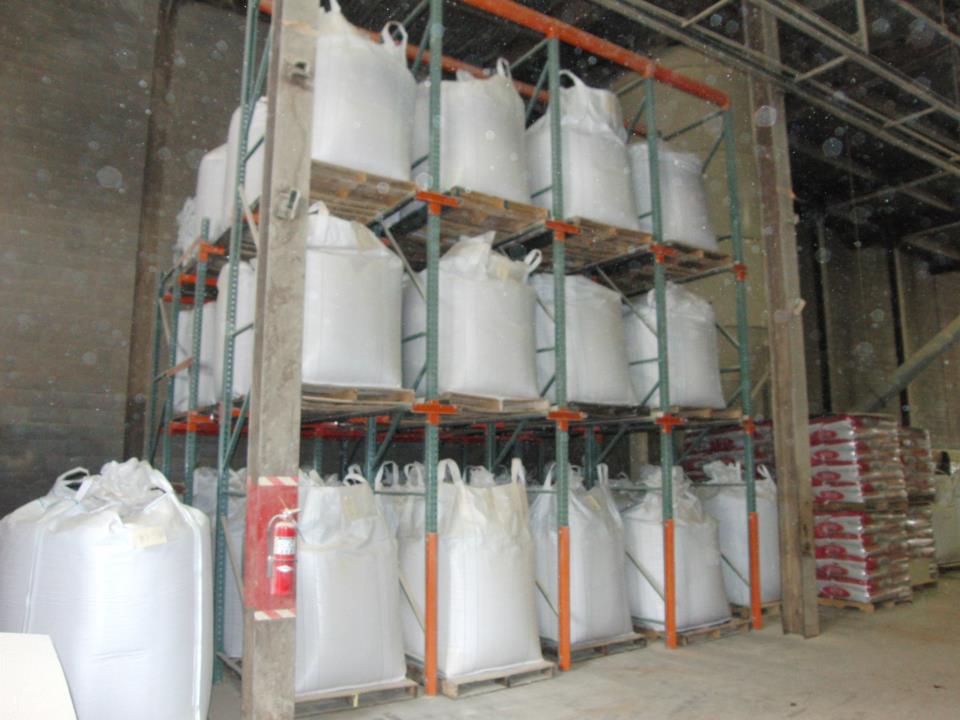
Drive-In Rack
Fewer access aisles. Forklifts enter storage lanes to handle bulk pallets of the same SKU.
View Sunnyvale details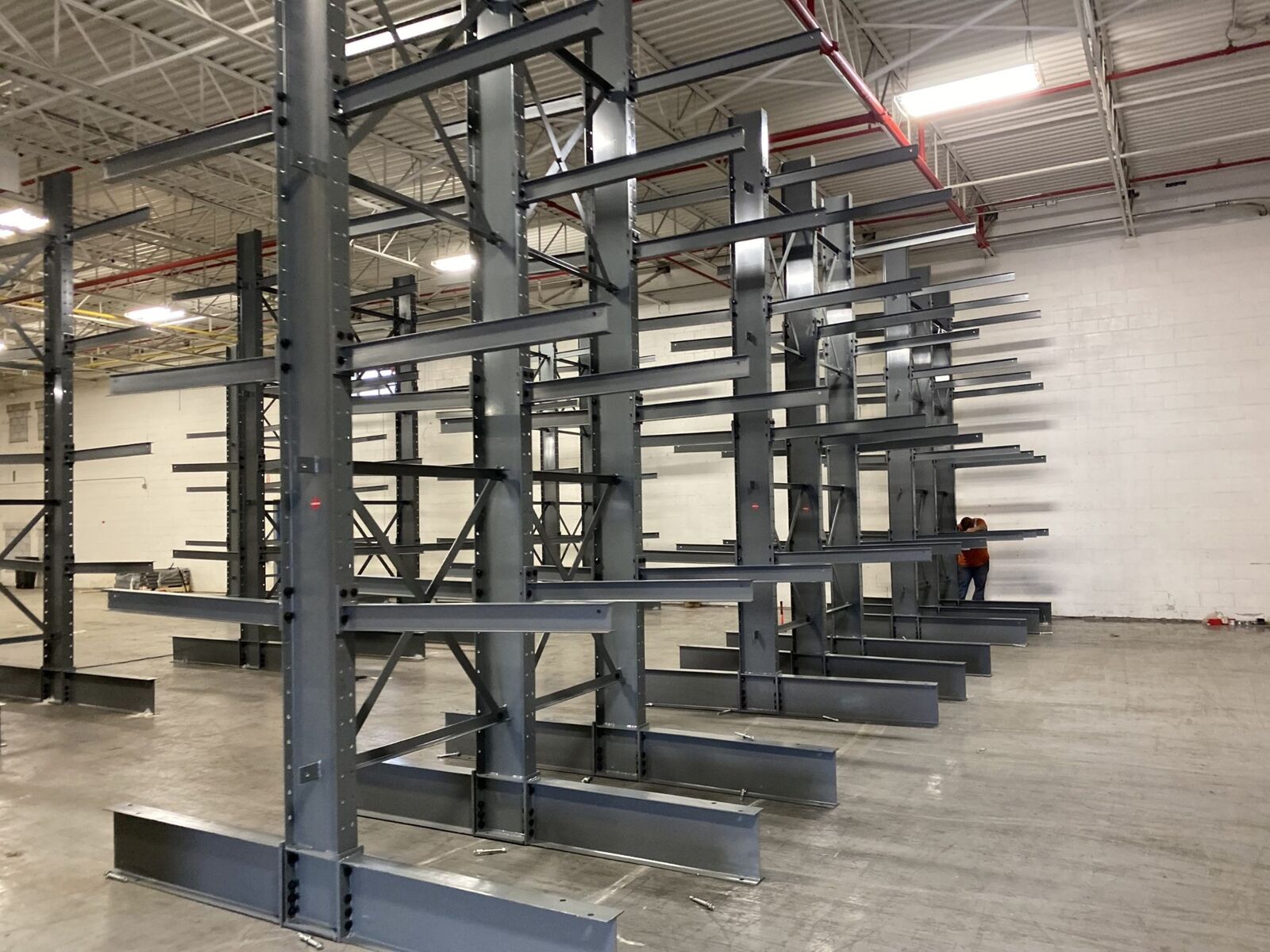
Cantilever Rack
Arms with nothing in front of them, built for lumber, pipe, and anything a pallet can't hold.
View Sunnyvale details
Warehouse Relocation
Teardown, labeling, transport coordination and reinstallation, planned around your new building and receiving schedule.
View Sunnyvale detailsNearby Areas We Also Serve
Our service area includes San Francisco and the existing Bay Area cities, so one team can handle multiple buildings for the same company.
Where We Work
Located in San Francisco, we serve the entire Bay Area with industrial pallet racks and warehouse storage solutions.
San Francisco Pallet Rack
Address
447 Sutter St.
Ste. #506-1140
San Francisco, CA 94108
Phone
(415) 430-9104Business Hours
Monday - Friday: 8:00 AM - 6:00 PM
Saturday: Closed
Sunday: Closed
Need Carton Flow Rack in Sunnyvale?
Call (415) 430-9104 or request a quote and we will get a layout started.