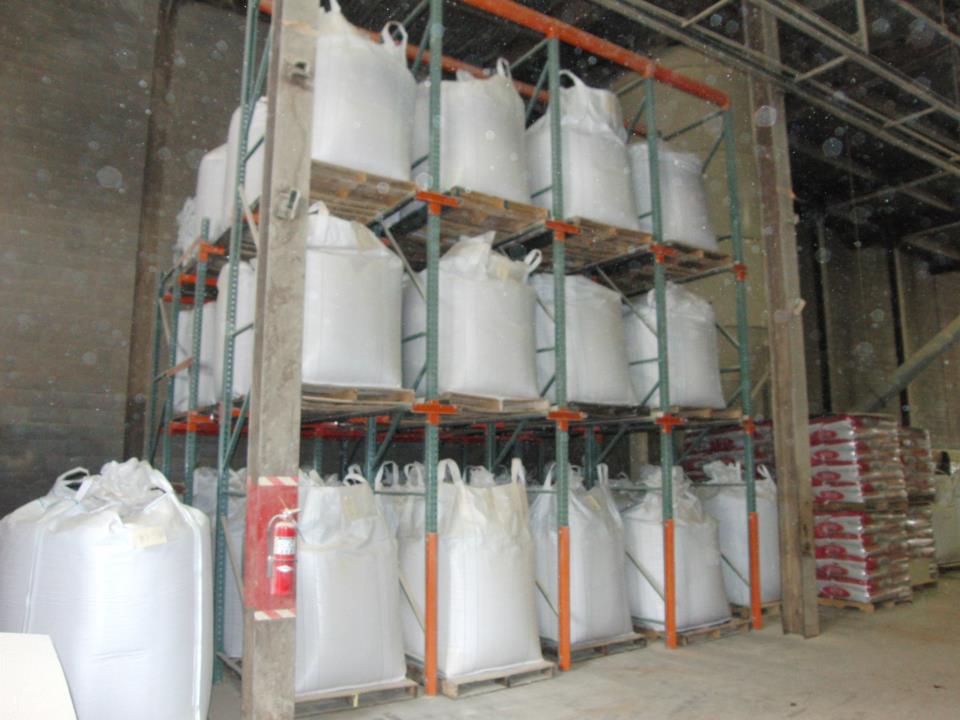
Drive-In Rack in San Francisco, CA
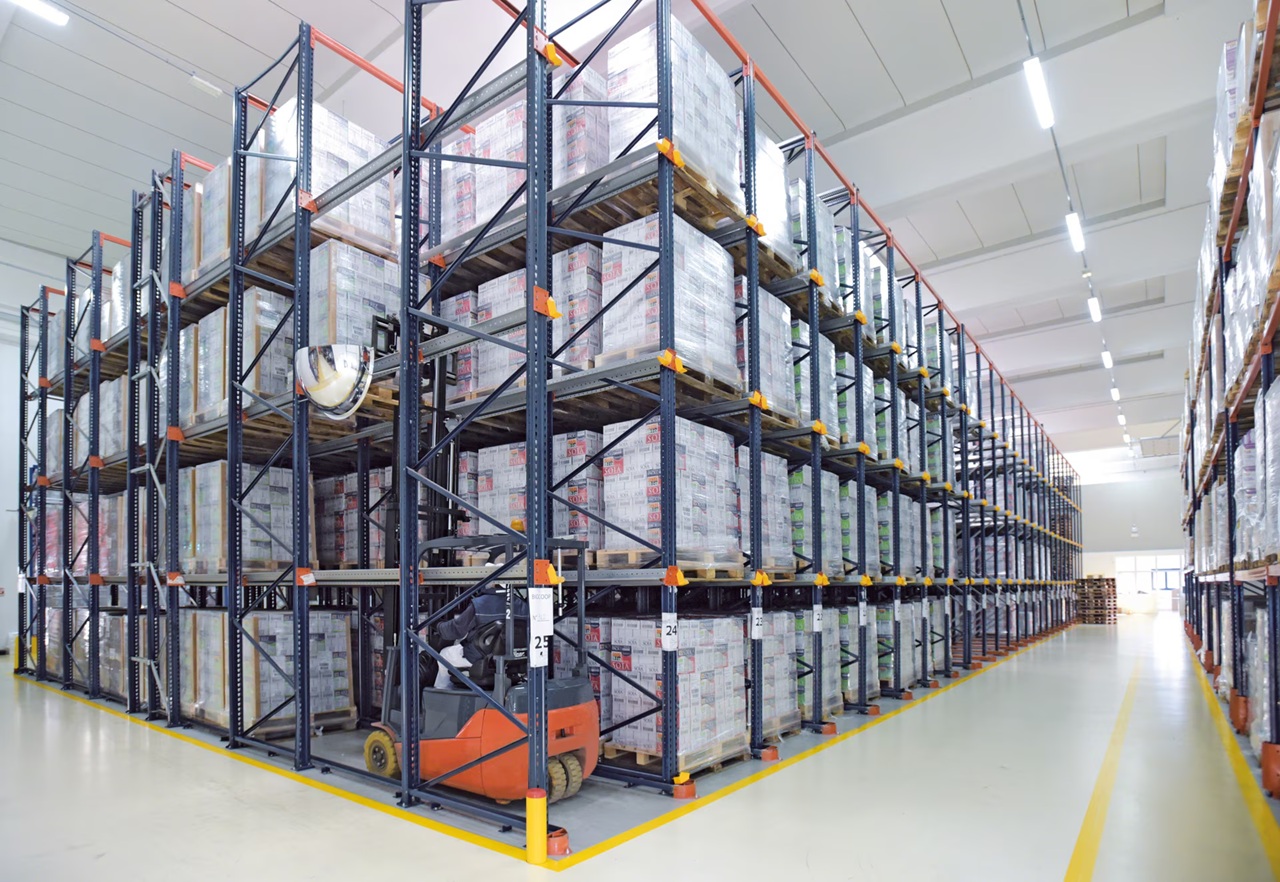
Drive-in rack in San Francisco creates high-density reserve for operations holding many pallets across relatively few SKUs. Forklifts enter storage lanes to position loads, and pallets rest on support rails at the specified levels. Removing intermediate access aisles can concentrate stock, but the result must still leave sufficient space for approach, staging and dispatch.
Bayview food distributors and specialty-retail operations may have repeat reserve alongside smaller city deliveries. Drive-in pallet rack belongs in that reserve role only when lane assignments do not obstruct the products and work areas needed throughout the dispatch day.
How Drive-In Rack Uses Deep Storage Lanes
Start with retrieval priorities, not depth. Drive-thru racking requires separately accessible loading and unloading faces if the intended operation is FIFO rather than single-face LIFO.
Choose the reserve group
Identify products with enough repeat pallets to occupy dedicated lanes. Keep mixed retail balances and urgent exceptions in positions that do not require moving unrelated stock.
Verify truck and load clearance
Use the forklift's actual envelope, including attachments, mast configuration and carried pallet. Check the alignment area outside the lane as carefully as the opening inside it.
Specify the bearing arrangement
Support rails must suit pallet dimensions, bearing surfaces and loaded weight. Guides can assist positioning, but pallets still need appropriate support throughout the intended storage arrangement.
Maintain the chosen sequence
A single working face usually produces LIFO access. FIFO needs opposing accessible faces and operating rules that keep receipt and retrieval activities on their designated sides.
Drive-In Rack Details for Urban Distribution
Cold storage can gain concentrated reserve when product quantities justify dedicated lanes. Review temperature conditions, stock rotation and handling access rather than assuming every chilled product belongs in deep storage. Show where route orders accumulate before loading. Preserve that working area when comparing lane depth, rather than counting it as spare space for additional storage.
Pushback keeps forklifts at the aisle while pallets travel on carts. That can change the handling comparison, although pallet suitability, LIFO operation and the proposed storage depth still require review. Locate columns, door openings and active work areas. Test how each affects lane continuity, forklift alignment and the ability to retrieve a pallet without blocking another task.
Existing rack compatibility must be established through component identification, dimensions and capacity information. A new layout should not presume that present frames can accept deep-lane components or changed loading demands.
San Francisco warehouse storageDrive-in system detailsPushback alternativesPallet flow alternatives
Drive-In Rack Without Losing the Dispatch Floor
We assess stored inventory and outbound activity together. A dense block can be the wrong choice if preparing small orders requires trucks or workers to occupy the same space needed for lane entry.
Supplying and installing warehouse storage since 1997, we are a division of Warehouse Equipment & Supplies Co. Our role is to connect the storage specification with the building's actual operating pattern.
The comparison should include selective positions and pushback where individual access or aisle-face handling matters. Assembly scopes use experienced installation crews we schedule and manage, with the intended work boundaries discussed in advance.
Local Warehouse Planning
Bayview and Dogpatch present useful planning contrasts for food distribution, specialty retail and last-mile fulfillment. A Dogpatch floor plan may place columns and work areas close to reserve storage; a Bayview dispatch layout may need distinct route-staging space. US-101 and I-280 access does not replace checking those internal movements.


Discuss San Francisco Drive-In Rack Options
Provide a building sketch, loaded pallet dimensions and maximum weights. Mark columns, dispatch areas and truck routes, and include the forklift specifications used for reserve handling. (415) 430-9104.
San Francisco Pallet Rack
447 Sutter St.
Ste. #506-1140
San Francisco, CA 94108
(415) 430-9104Monday - Friday: 8:00 AM - 6:00 PM
Questions for Urban Warehouse Buyers
San Francisco Storage Planning
Free Design Consultation Includes:
- Warehouse needs analysis
- Detailed CAD layout drawings
- Pallet rack system recommendations
- Complete project quote
- Choose the reserve group
- Verify truck and load clearance
- Specify the bearing arrangement
- Maintain the chosen sequence
Rack Systems & Relocation in San Francisco
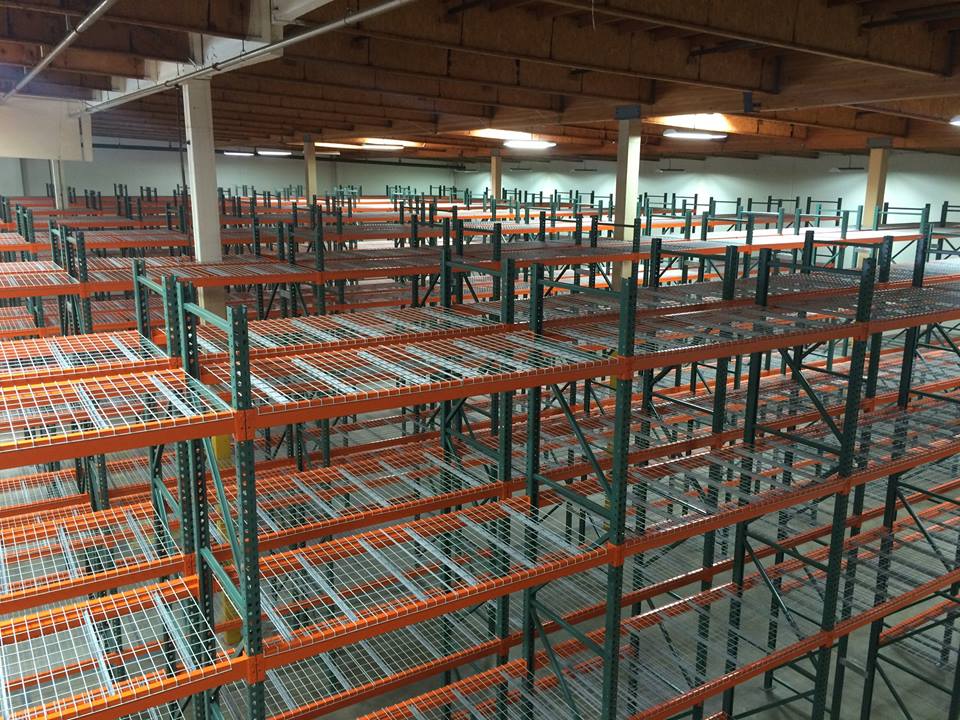
Pallet Rack
Every pallet reachable, every time. The baseline we size everything else against.
View San Francisco details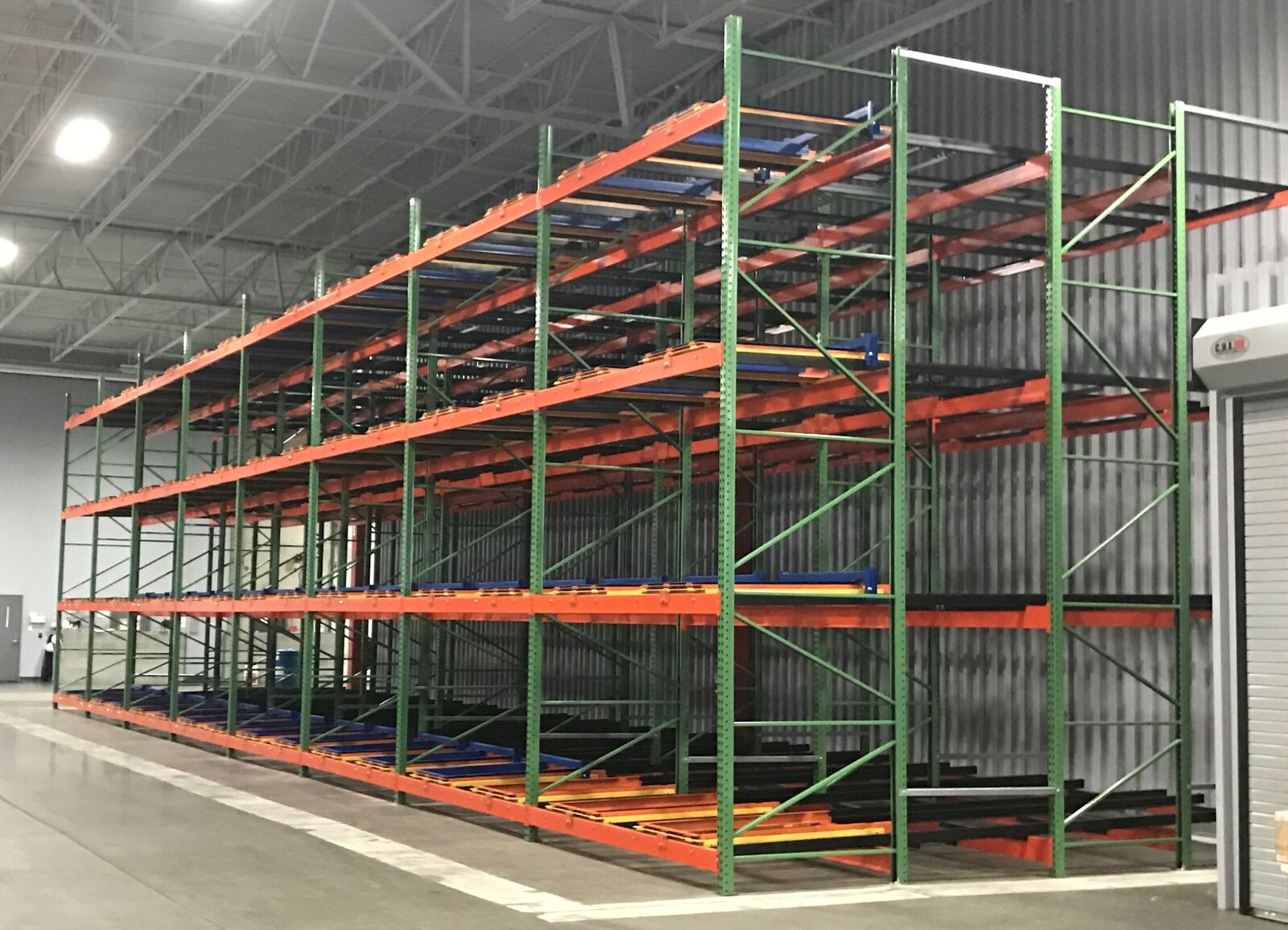
Pushback Rack
Two to five pallets deep from one aisle, without giving up much reach.
View San Francisco details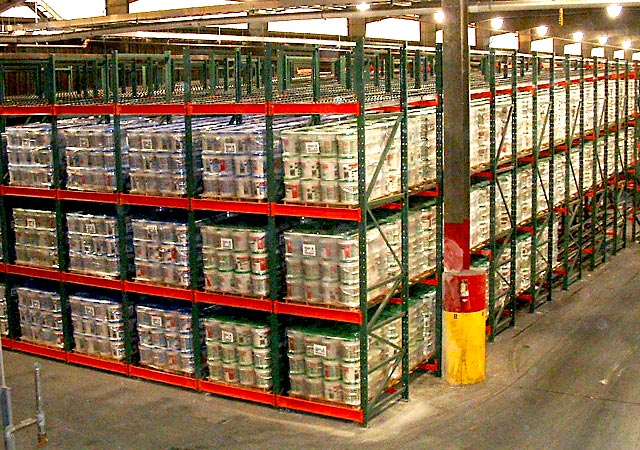
Pallet Flow Rack
Load one side, pick the other, and let gravity enforce first in, first out.
View San Francisco details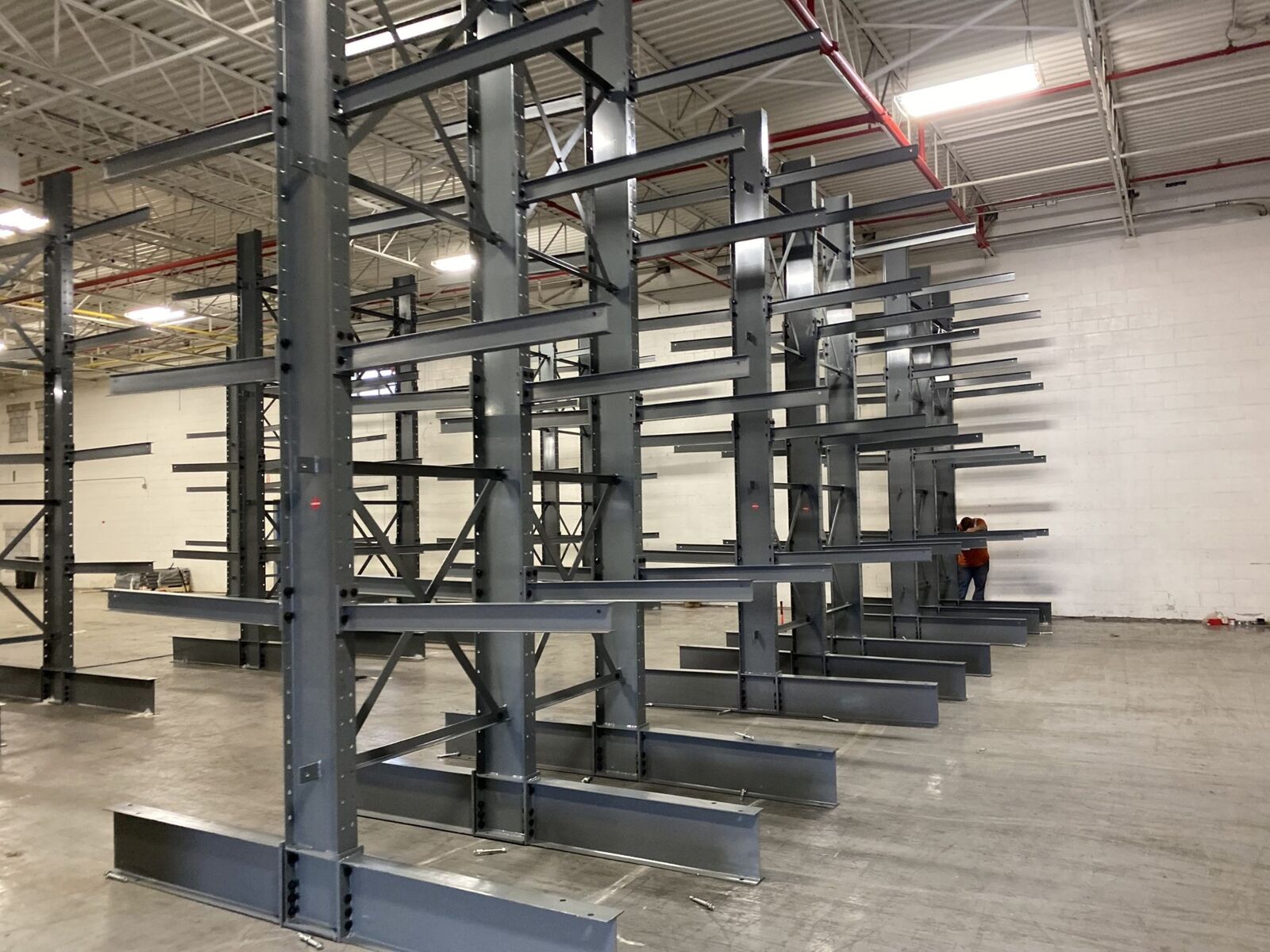
Cantilever Rack
Arms with nothing in front of them, built for lumber, pipe, and anything a pallet can't hold.
View San Francisco details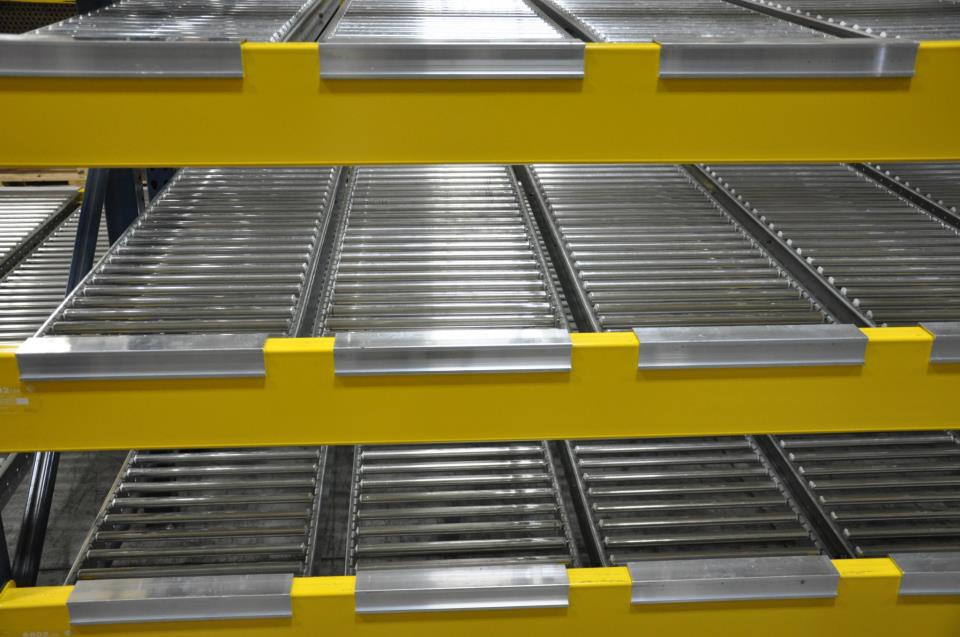
Carton Flow Rack
Cases advance to the picker instead of the picker hunting for cases.
View San Francisco details
Warehouse Relocation
Teardown, labeling, transport coordination and reinstallation, planned around your new building and receiving schedule.
View San Francisco detailsNearby Areas We Also Serve
Our service area includes San Francisco and the existing Bay Area cities, so one team can handle multiple buildings for the same company.
Where We Work
Located in San Francisco, we serve the entire Bay Area with industrial pallet racks and warehouse storage solutions.
San Francisco Pallet Rack
Address
447 Sutter St.
Ste. #506-1140
San Francisco, CA 94108
Phone
(415) 430-9104Business Hours
Monday - Friday: 8:00 AM - 6:00 PM
Saturday: Closed
Sunday: Closed
Need Drive-In Rack in San Francisco?
Call (415) 430-9104 or request a quote and we will get a layout started.